

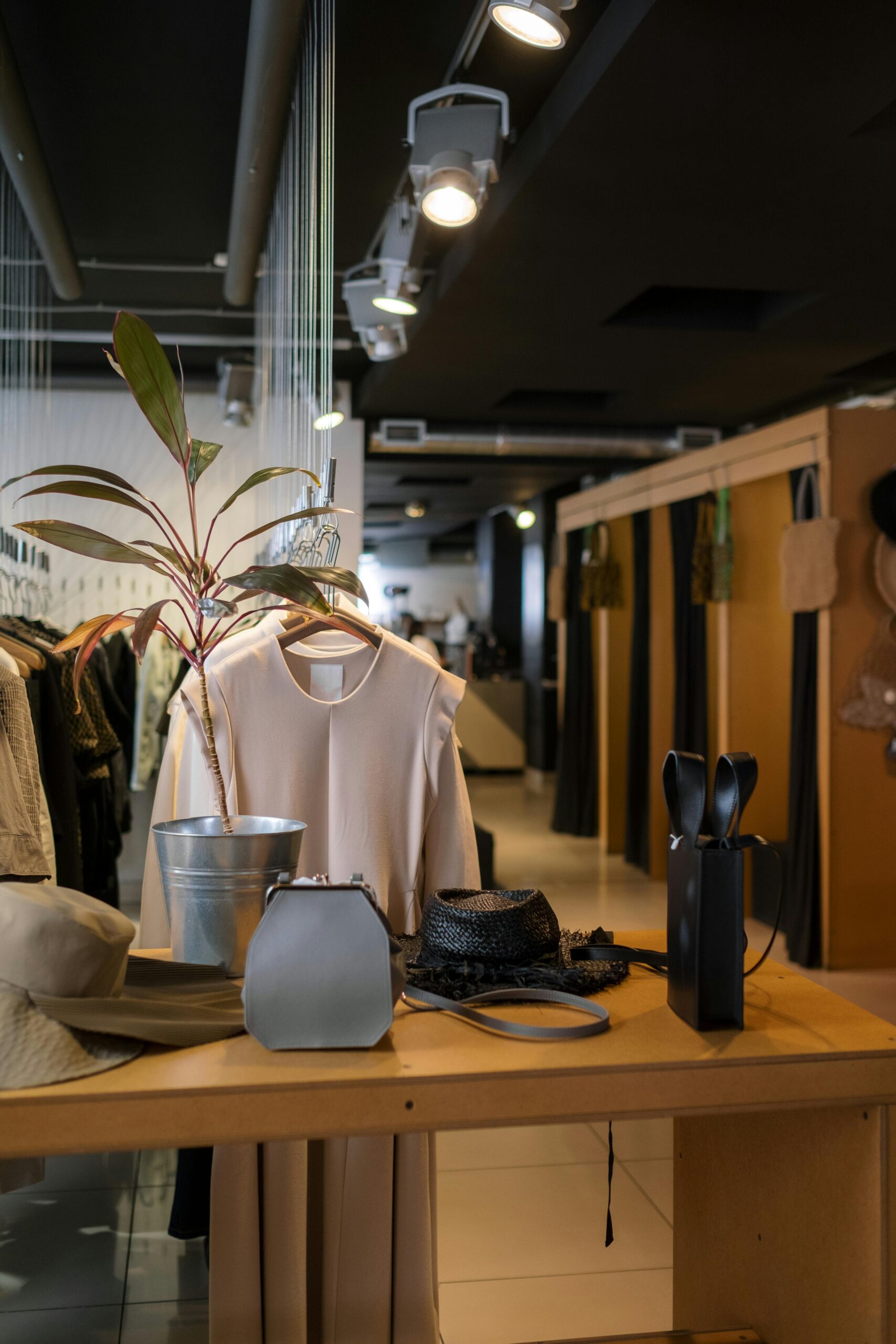
Brick-and-mortar retail stores no longer function as just a physical space for consumers to shop. They now offer experiences that help build brand loyalty, develop community, and allow customers to linger and interact with products while they shop. Interior designers play a critical role in shaping customer journeys through these immersive experiences. Their efforts influence customer behavior—usually through brand identity, strategic space planning, and sensory cues that create an emotional connection—but also through display fixtures. Intentional use of display fixtures directly impacts buying behavior, dwell time, and perceived value of merchandise. Here, we’ll show you how display fixtures influence customer behavior and sales, and how shopPOPdisplays can be a valuable partner in achieving these outcomes to make retail display design for interior designers a success.
Key Takeaways for Retail Display Design for Interior Designers
- Strategic retail display design can increase customer engagement and sales
- Fixtures influence how customers move, interact, and perceive products
- Customization allows designers to align displays with brand identity
- The right materials and layouts enhance both aesthetics and durability
- Thoughtful fixture selection elevates the overall retail experience
The Psychology Behind Retail Display Design for Interior Designers
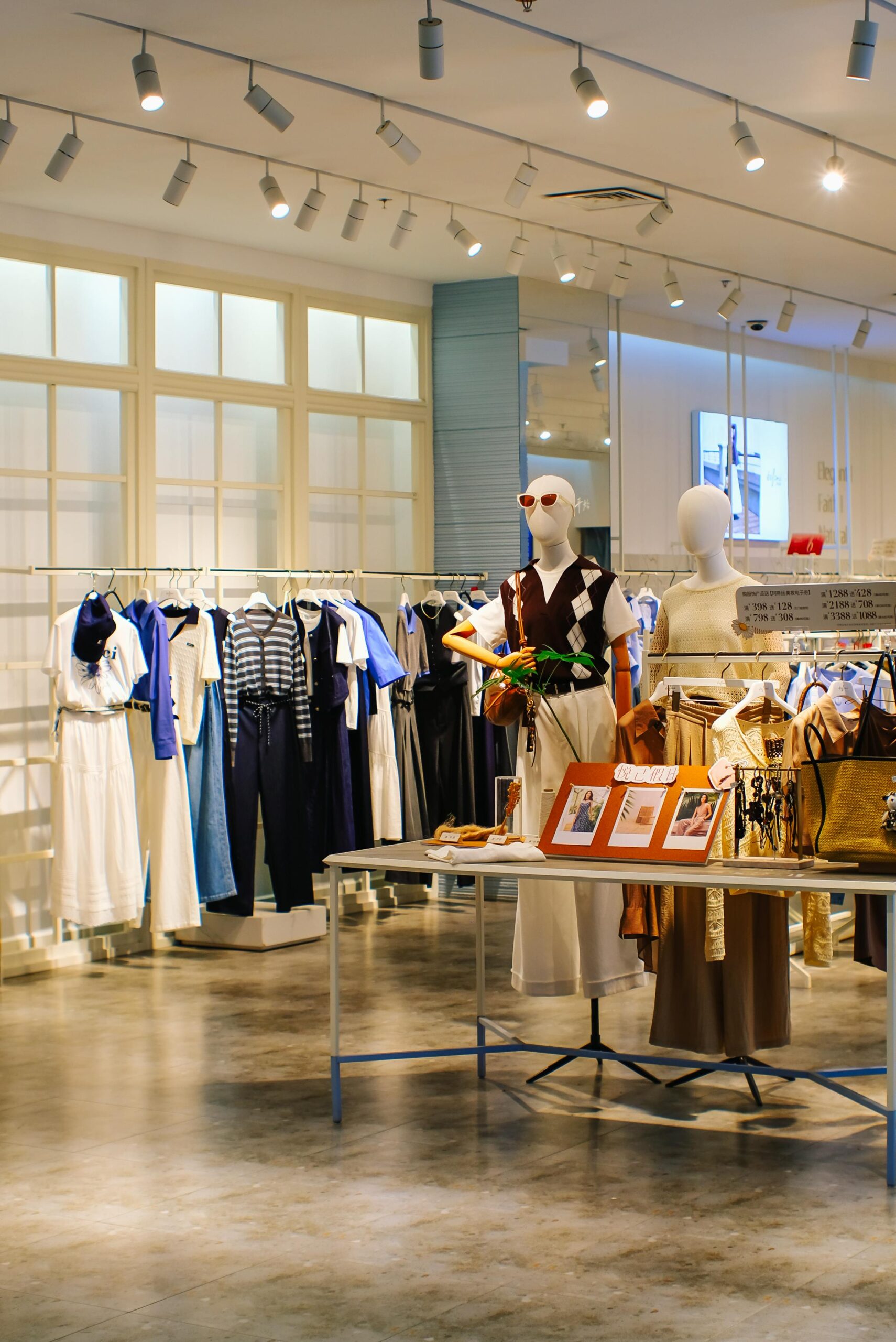
A successful store layout depends on more than being aesthetically pleasing. There’s a psychology behind retail display design for interior designers that will increase customer engagement and sales for clients. First impressions matter here, and a shopper’s initial experience makes an impact on their behavior—and if they even step further into a store. The so-called decompression zone (about 12 feet radius from the entrance) welcomes shoppers and sets the tone for their retails experience. After greeting the customer in this area, the flow of a store encourages them to view key products as well as increase their dwell time while navigating the space. Because consumers are more likely to notice (and buy) merchandise when it’s in their sightline, placing featured, high-demand, or high-end products at eye level improve the chance of them being purchased. Other focal points, such as endcaps and checkouts, entice with impulse buys. Then there are additional opportunities for cross merchandising and storytelling in displays throughout the store, like grouping complimentary items together to increase multi-item purchases. A consistent narrative told through branding helps create that cohesive, immersive experience for the customer.
How Display Fixtures Shape Customer Behavior
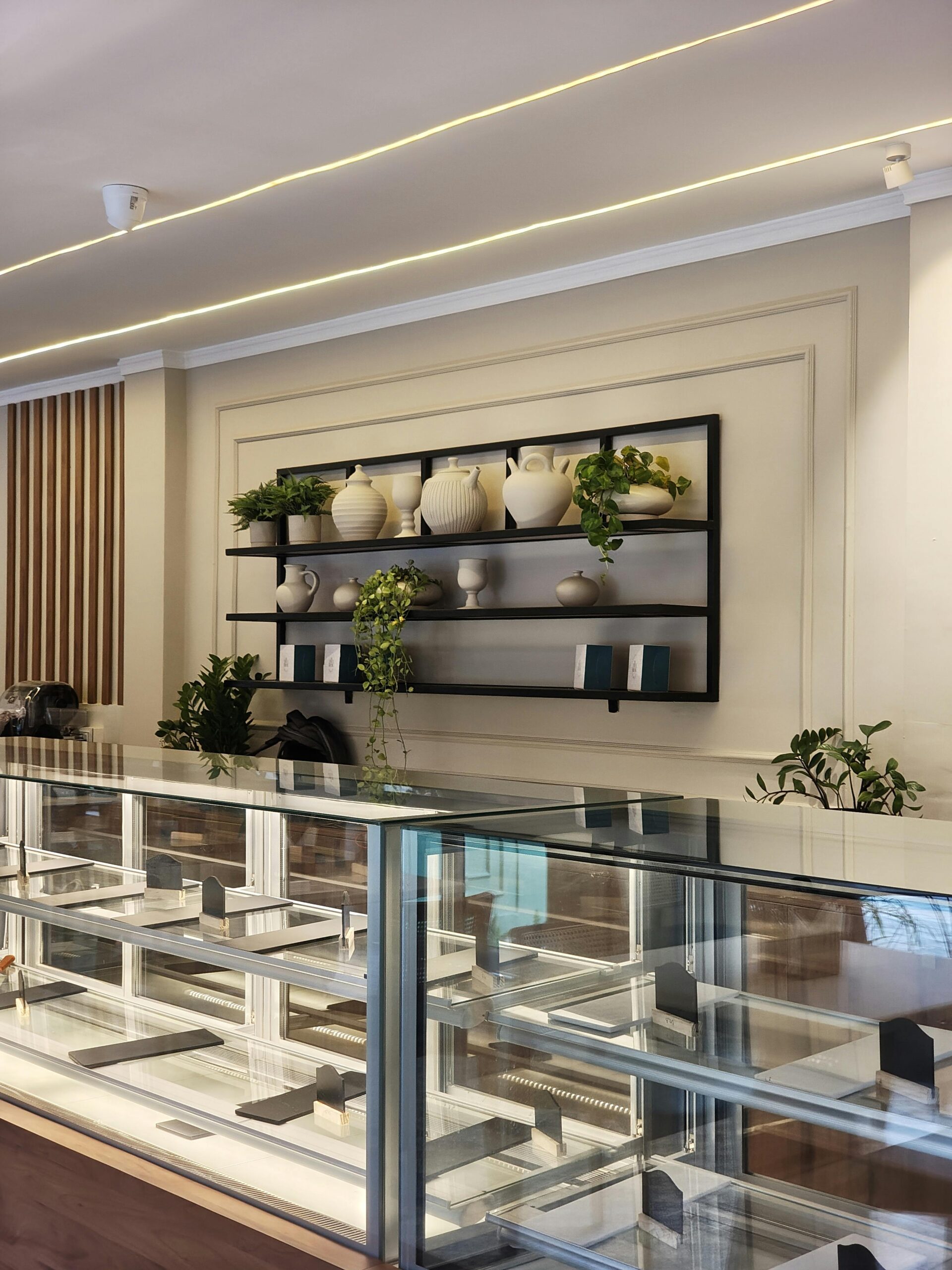
Display fixtures play a big role in retail display design for interior designers. They have a positive effect on sales by influencing how customers move through a store, interact with merchandise, and perceive products.
Encouraging Product Interaction
Open displays such as shelving, dump bins, and basket displays, allow customers easy access to the merchandise. Closed displays, on the other hand, protect higher-end products while allowing them to still be visible. This type of display case is advantageous when a retailer wand to projects a luxe feel to the merchandise. The hands-on engagement from open displays also increases likelihood of purchase. Think dump bins containing impulse buys at checkout, sale items in baskets and bins, and regular-priced merchandise (sweaters, denim, books, candles) stacked on shelves for easy viewing and retrieval.
Controlling Traffic Flow
Help customers navigate a space in a predetermined traffic flow by using larger fixtures like pedestals, shelving, and display cases to guide movement. Theses displays can do double duty to create intentional pathways through the store. A trio of pedestals in the decompression zone of a retail space welcomes the guest and sets the tone for the shopping experience. A bank of shelving or cases draws attention to the right to guide the customer in a natural movement pattern. Shelving and dump bins can be arranged to create checkout lanes that double as displays for impulse purchases.
Creating Visual Hierarchy
Pedestals and risers elevate featured items to ensure they are seen by customers. This creates a visual hierarchy that places bestsellers or high-margin merchandise in a customer’s sightline. Studies have shown that products at eye level are more likely to be purchased than those placed on lower surfaces. The height variation of pedestals and risers also creates visual interest, drawing attention to the products on display.
Choosing the Right Fixtures for the Space
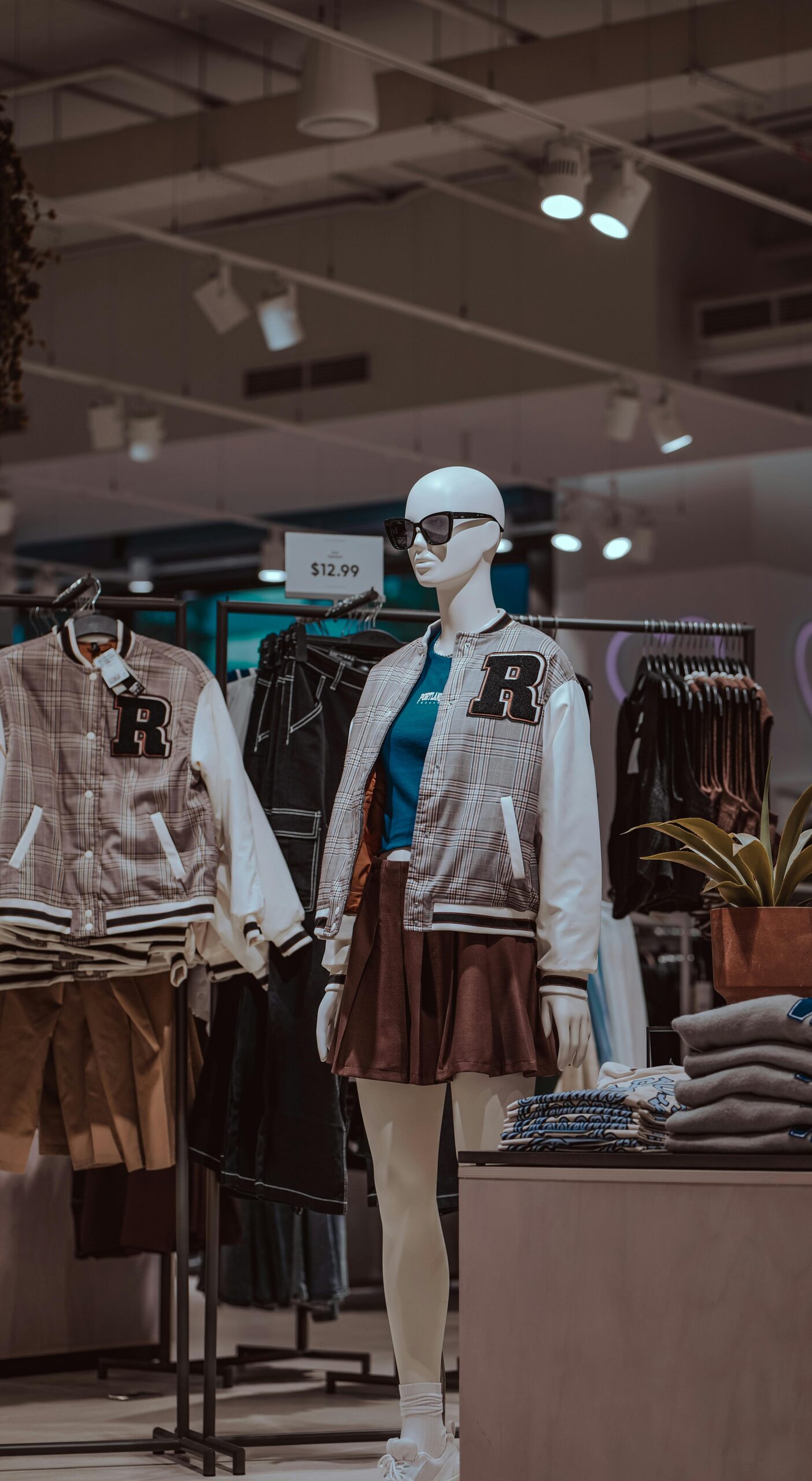
Retail display design for interior designers helps to blend aesthetics and function in any type of space by choosing the right materials and layout. This helps to enhance both aesthetics and durability. Here’s how thoughtful fixture selection elevates the overall retail experience.
Acrylic Displays for Modern, Minimalist Designs
Clean, uncluttered displays allow the products to be the focal point. Acrylic risers, pedestals, display cases, and boxes elevate and display products without any competing design/décor. Ideal for high-end or contemporary retail establishments, their clear, transparent look lends a modern, minimalist aesthetic while keeping products the focus.
Wood & Natural Finishes for Warmth
Warm finishes, such as wood, jute, textiles, and warm metals like brass and copper, create a cozy, welcoming experience for shoppers. Perfect for boutiques, lifestyle brands, and wellness spaces, these materials build brand community by inviting people to relax and linger, increasing dwell time.
Metal & Mixed Materials for Durability
Mixed metals are having a moment in interior design, but mixing metal with other materials (wood, glass, etc.) brings durability into the mix. Great for high-traffic environments, such as big-box retailers and showrooms, displays that are made from metals or mixed materials are strong and durable.
Modular & Custom Fixtures
Modular displays allow retailers to update store layouts frequently and easily. They can also be employed in addition to other core displays for seasonal merchandise or pop-ups. The Woodland Park Collection from shopPOPdisplays, and other modular displays provide that flexibility for evolving layouts.
Custom Retail Displays for Interior Designers

Help your client better communicate their brand by tailoring fixtures to match their brand identity. This creates cohesive displays and storytelling that match company logos, marketing efforts, and emotional connection for a memorable shopping experience. Custom retail display design for interior designers includes custom sizing, branded printing, and unique materials and finishes that enhance brand recognition. Custom-printed signage, POP displays, and pedestals are just a few customizations that help designers differentiate their projects and make them unique for the client to separate them from their competition.
Designing for Different Retail Environments

Custom retail display design for interior designers makes it easy to set the scene in different retail environments. By homing in on a few differentiating factors, you can help your clients drive sales and improve their customer satisfaction, no matter the type of retail environment.
Boutiques & Specialty Stores
Boutique and specialty stores have a unique vantage point that differentiates them from other retail environments. Storytelling excels in this environment. It impacts customer behavior by creating an emotional connection with consumers. This makes consumers more likely to purchase from a brand they feel shares their values and mission. These retailers have more freedom and flexibility to create narratives to draw customers into their shop. Signage, curated displays, lighting, and even packaging all help to build a narrative that reflects a brand’s identity and values helps to engage with the consumer. It also creates an immersive experience that creates an emotional connection with customers and fosters a community that instills brand loyalty, ensuring repeat business.
Large Retail & Showrooms
Larger retailers can take advantage of bigger spaces to move more merchandise. However, they can be overwhelming for some shoppers. Easy-to-navigate layouts direct shoppers to different departments throughout the store while exposing them to a wide range of merchandise. The customer can easily find what they came in for, but also be guided to items they might additionally purchase. Also important is designing with scalability in mind. Retailers need to pivot quickly in reaction to market trends. Using displays that can expand or be knocked down quickly allows the retailer to quickly make adjustments based on inventory, seasonal promotions, or trends. Also important: big box retailers and showrooms attract high foot traffic, so the retail displays need to be durable. To stand up to the traffic and make it cost efficient for the retailer. Modular systems also help to keep the store fresh without having to invest in additional displays.
Pop-Ups & Temporary Installations
Whether it’s for seasonal merchandise or limited-run products, pop-ups and temporary installations should be integrated into any retail space. Flexible, portable retail display solutions, such as shopPOPdisplays’ Woodland Park Collection, are easy to set up and knock down at a moment’s notice. These ready-to-assemble displays include risers, shelving units, tables, and more to create pop-ups and temporary installations quickly. They’re also lightweight, which makes them portable and easy to move throughout a space, and collapsible for easy storage when not in use. They can also be customized for a branded display.
Common Mistakes to Avoid in Retail Display Design for Interior Designers

- Overcrowding the space. Avoid overwhelming customers visually—whether it’s with products or displays. Allow for visual breathing room when designing the display areas to better show products and make the store appear more high-end.
- Ignoring customer flow. Not paying attention to how people organically move in a space is a missed opportunity for sales. Smart display design keeps customers moving through a space with designated displays to capture attention and allow for dwell time.
- Poor lighting integration. Utilizing the incorrect lighting comes off as off-brand (i.e, bright LEDs in a wellness boutique; warm, dim lighting in a tech store). Instead, match the lighting to the mood you want to create for the store.
- Choosing aesthetics over functionality. At their core, displays need to serve the function of displaying merchandise. Even is something looks aesthetically pleasing, it still needs to serve that purpose. The good news is that options that are both aesthetic and functional are available.
- Lack of flexibility for updates. Whether it’s to showcase seasonal items, overstock, or a pop-up sale, it’s important that displays can adapt quickly for a retailers’ needs.
Retail Display Design for Interior Designers + Partnering with SPD

Just as your client depends on you, you can depend on shopPOPdisplays. We have been servicing the retail industry’s display needs for over 40 years. Our experts are a trusted resource for creating retail display design for interior designers. We offer a wide range of display solutions—pedestals, acrylic cases, signage, risers—all with custom capability. Expect quality custom-made merchandise with a fast turnaround. Our experienced team look forward to collaborating with you to bring your designs to life.
Conclusion
Retail display design is a powerful sales tool, not just decoration for retailers. Think strategically about fixtures in every project and you’ll have satisfied retail clients. It’s a win-win for both. Shape customer behavior, choose the right fixtures, create custom displays, design for different environments, and partner with a trusted resource to ensure the perfect balance of aesthetics and function.