The Psychology of Visual Merchandising: Why Some Displays Make You Stop and Shop

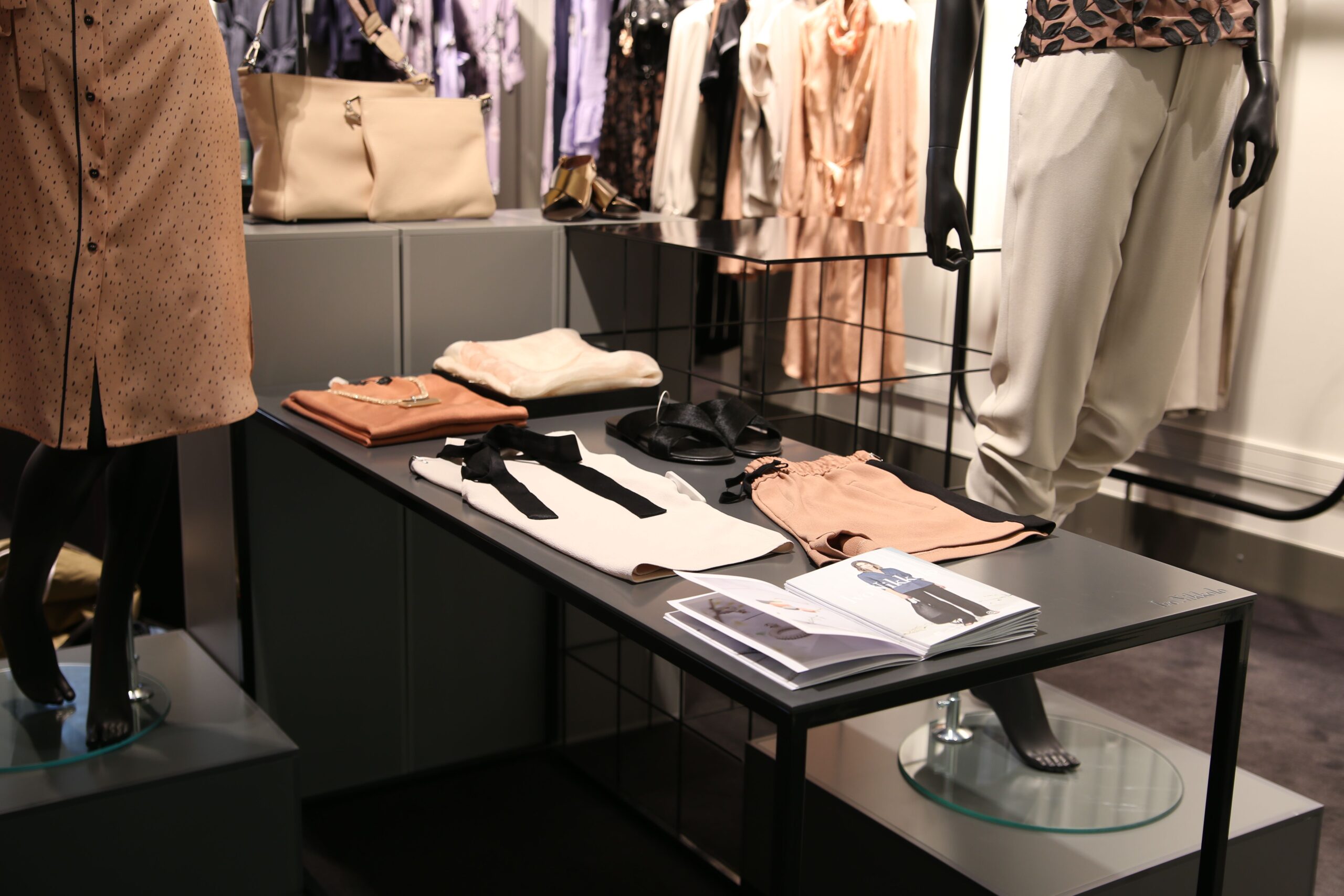
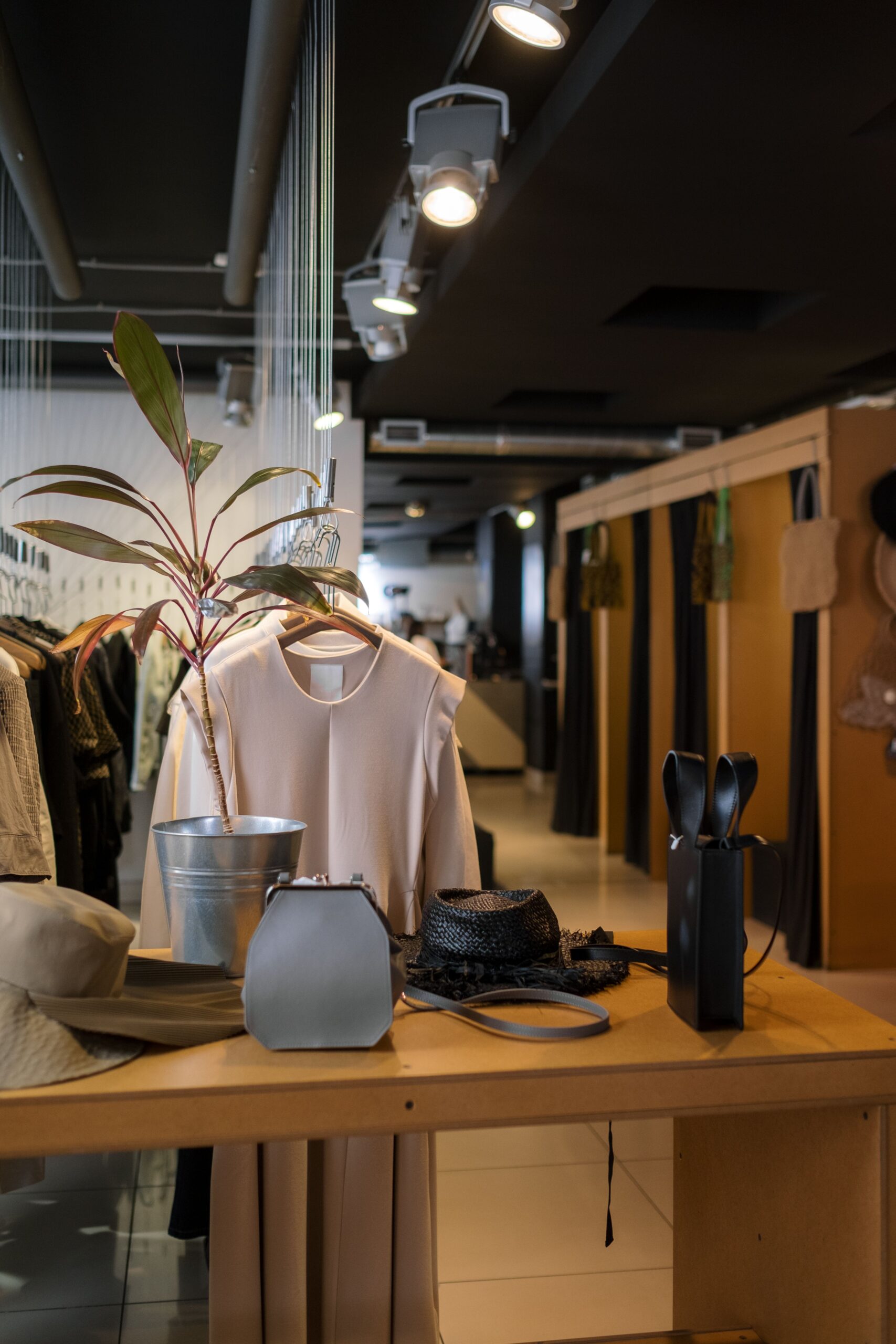
Amazing displays truly make customers stop, look, and stay awhile. This reaction is rarely a coincidence. Successful displays combines design, the psychology of visual merchandising, color, placement, and presentation to guide customers toward a product.

From retail stores to events and showrooms, the way products are displayed can influence how people perceive them. A thoughtfully designed display will undoubtedly encourage customers to engage.

At shopPOPdisplays, we understand that a display does more than hold a product. The right combination of pedestals, display risers, signage, countertop displays, and custom point-of-purchase displays can help transform ordinary products into memorable visual experiences.

Key Takeaways: The Psychology of Visual Merchandising

  • Visual merchandising influences attention: Color, placement, height, and design can determine what catches a customer’s eye first.
  • Elevation creates focus: Pedestals and risers can make featured products stand out and establish visual hierarchy.
  • Color and lighting set the mood: Strategic use of color and illuminated displays can attract attention and reinforce brand identity.
  • Less can be more: Giving products breathing room can create a cleaner, more premium presentation.
  • Signage turns attention into action: Clear, well-placed messaging helps customers understand products and what to do next.
  • Custom displays strengthen brand experiences: Custom materials, graphics, shapes, and configurations allow businesses to create displays around their specific products and brand.
  • Good merchandising creates an experience: The goal isn’t simply to display products, it’s to create a presentation that makes customers stop, look, and engage.

Continue reading The Psychology of Visual Merchandising: Why Some Displays Make You Stop and Shop

5 Visual Merchandising Trends Retailers Should Know Before the Holiday Season

Trend forecasters are citing a variety of visual merchandising trends for Holiday 2026. For instance, light, glass, and metallic accents; atmospheric color palettes (icy blue, lilac) with deep reds; natural elements and organic forms; black and white goth aesthetic; multisensory experiences and socialization; and of course, digital integration, with or without AI capabilities.

And that’s good news. It means there are plenty of trends to lean into that naturally fit a diversity of unique brands.

As varied as they are, they all have something in common. They’re all applicable in physical locations, which is another trend for 2026. According to a report from Capital One, foot traffic at malls is steadily increasing since pandemic lows. But it goes beyond actual shopping, as malls are offering entertainment and opportunities to socialize in addition to shopping.

Here, we’ll discuss five visual merchandising trends that will help tap into the 2026 holiday shopper and make your displays effective this season.

Key Takeaways

  • Embrace contrast to create visual impact. Combine different colors, heights, materials, lighting, and finishes to create displays that immediately capture attention and encourage shoppers to explore.
  • Make the shopping experience part of the display. Experiential merchandising can turn a retail space into a destination through interactive demonstrations, sensory elements, social media moments, and engaging environments.
  • Bring digital into the physical shopping experience. Digital signage, interactive kiosks, and touchscreens can help shoppers discover products, access additional inventory, explore gift ideas, and engage with your brand.
  • Less can be more. Quiet luxury focuses on thoughtful curation, premium materials, transparency, reflective surfaces, and uncluttered displays that allow featured products to stand out.
  • Choose fixtures that can evolve with your business. Modular and collapsible displays make it easier to refresh merchandise, create seasonal pop-ups, accommodate changing inventory, and adapt your space throughout the holiday season.
  • Think beyond traditional retail. With physical shopping spaces increasingly serving as places to socialize and experience brands, effective holiday merchandising should create an environment customers want to spend time in, not simply a place to make a purchase.
  • There’s no single way to interpret Holiday 2026 trends. From dramatic contrasts and gothic-inspired aesthetics to natural materials, metallic finishes, digital integration, and immersive experiences, brands can choose the trends that best align with their identity and customers.

Continue reading 5 Visual Merchandising Trends Retailers Should Know Before the Holiday Season