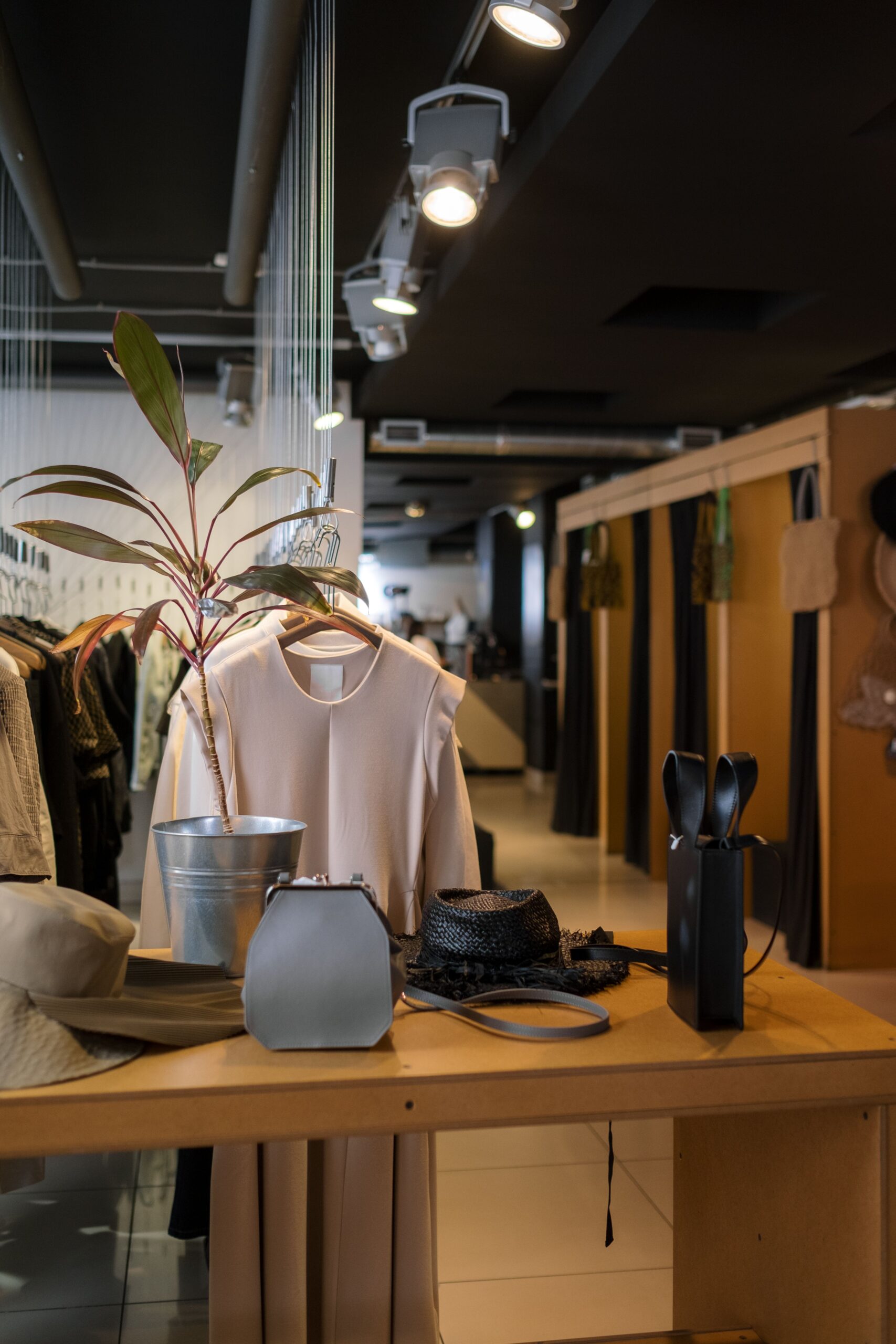
5 Visual Merchandising Trends Retailers Should Know Before the Holiday Season

Trend forecasters are citing a variety of visual merchandising trends for Holiday 2026. For instance, light, glass, and metallic accents; atmospheric color palettes (icy blue, lilac) with deep reds; natural elements and organic forms; black and white goth aesthetic; multisensory experiences and socialization; and of course, digital integration, with or without AI capabilities.

And that’s good news. It means there are plenty of trends to lean into that naturally fit a diversity of unique brands.

As varied as they are, they all have something in common. They’re all applicable in physical locations, which is another trend for 2026. According to a report from Capital One, foot traffic at malls is steadily increasing since pandemic lows. But it goes beyond actual shopping, as malls are offering entertainment and opportunities to socialize in addition to shopping.

Here, we’ll discuss five visual merchandising trends that will help tap into the 2026 holiday shopper and make your displays effective this season.

Key Takeaways

  • Embrace contrast to create visual impact. Combine different colors, heights, materials, lighting, and finishes to create displays that immediately capture attention and encourage shoppers to explore.
  • Make the shopping experience part of the display. Experiential merchandising can turn a retail space into a destination through interactive demonstrations, sensory elements, social media moments, and engaging environments.
  • Bring digital into the physical shopping experience. Digital signage, interactive kiosks, and touchscreens can help shoppers discover products, access additional inventory, explore gift ideas, and engage with your brand.
  • Less can be more. Quiet luxury focuses on thoughtful curation, premium materials, transparency, reflective surfaces, and uncluttered displays that allow featured products to stand out.
  • Choose fixtures that can evolve with your business. Modular and collapsible displays make it easier to refresh merchandise, create seasonal pop-ups, accommodate changing inventory, and adapt your space throughout the holiday season.
  • Think beyond traditional retail. With physical shopping spaces increasingly serving as places to socialize and experience brands, effective holiday merchandising should create an environment customers want to spend time in, not simply a place to make a purchase.
  • There’s no single way to interpret Holiday 2026 trends. From dramatic contrasts and gothic-inspired aesthetics to natural materials, metallic finishes, digital integration, and immersive experiences, brands can choose the trends that best align with their identity and customers.

Continue reading 5 Visual Merchandising Trends Retailers Should Know Before the Holiday Season
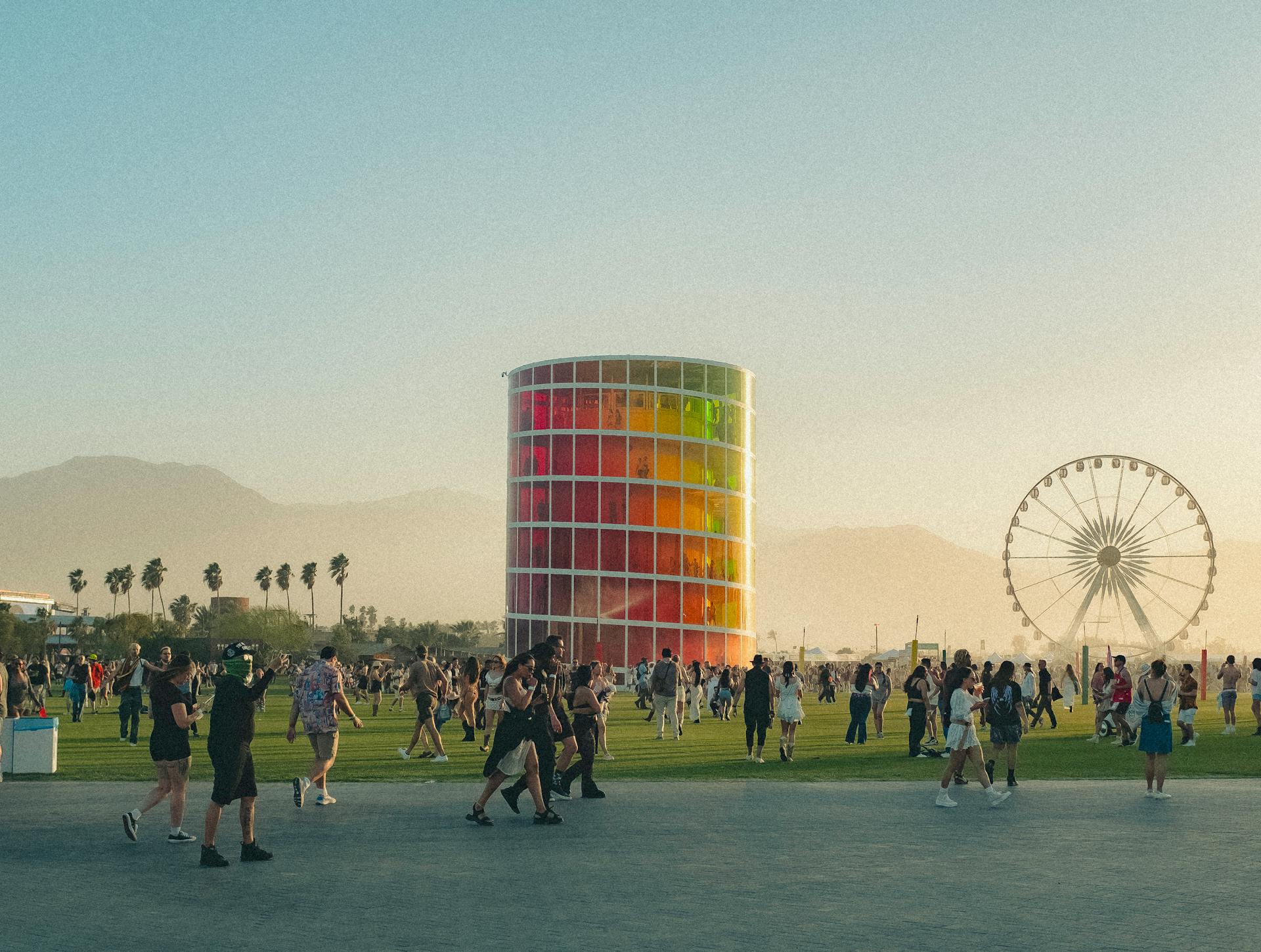
Top Experiential Design Trends Shaping Events in 2026


Creating a positive and memorable experience has always been critical to the success of an event, and that is especially true now, as attention is constantly shifting to the next best thing. With this in mind, many brands are relying on a few specific design trends to create environments that stand out amongst the competition. They know that in order for customers to remember your brand and products beyond the event, you need a strategy that ensures visitors encounter and interact with your displays in the most accessible and engaging ways.

Thoughtful layouts that incorporate multi-level setups, digital displays, and interactive elements can help create an experience visitors want to explore. Read on for our suggestions on how to make the most of the experiential design trends 2026 has in store using shopPOPdisplays’ products.

Key Takeaways

  • Experiential display design is critical for 2026 events – Trade shows and pop-ups require engaging setups that encourage visitors to stop, explore, and interact.
  • Use height and dimension to create visual interest – Multi-level displays (risers, pedestals, acrylic blocks) make displays more dynamic and help guide the viewer’s eye.
  • Organized product placement improves clarity – Giving each product its own space makes displays feel intentional and helps visitors quickly understand the offering.
  • Lighting enhances visibility and atmosphere – LED-lit pedestals and illuminated fixtures can spotlight key products and draw attention from across the room.
  • Digital elements increase engagement – Interactive touchscreens and digital signage allow brands to share demos, tutorials, social feeds, and brand stories.
  • Focus on hero products instead of showcasing everything – Highlighting one or a few standout items creates stronger brand messaging and quicker visitor understanding.
  • Minimal, intentional displays elevate products – Using clear cases, sleek pedestals, and uncluttered staging makes products feel premium and gallery-like.
  • Create photo-ready display moments – Well-designed product setups encourage visitors to take photos and share them online, extending brand reach.
  • Modular displays simplify setup and logistics – Portable systems that pack flat make it easier to transport, assemble, and reuse displays across events.
  • Reusable builds reduce costs and waste – Flexible, modular displays can be rearranged for different products and events, improving long-term efficiency.
  • Adaptable display systems support evolving product lines – Modular shelving, hooks, and pegs allow brands to quickly change layouts as inventory or messaging changes.
  • Thoughtful design choices create memorable brand experiences – Combining height, lighting, digital content, and modular design results in more impactful event displays.

Continue reading Top Experiential Design Trends Shaping Events in 2026