


Creating a positive and memorable experience has always been critical to the success of an event, and that is especially true now, as attention is constantly shifting to the next best thing. With this in mind, many brands are relying on a few specific design trends to create environments that stand out amongst the competition. They know that in order for customers to remember your brand and products beyond the event, you need a strategy that ensures visitors encounter and interact with your displays in the most accessible and engaging ways.
Thoughtful layouts that incorporate multi-level setups, digital displays, and interactive elements can help create an experience visitors want to explore. Read on for our suggestions on how to make the most of the experiential design trends 2026 has in store using shopPOPdisplays’ products.
Key Takeaways
- Experiential display design is critical for 2026 events – Trade shows and pop-ups require engaging setups that encourage visitors to stop, explore, and interact.
- Use height and dimension to create visual interest – Multi-level displays (risers, pedestals, acrylic blocks) make displays more dynamic and help guide the viewer’s eye.
- Organized product placement improves clarity – Giving each product its own space makes displays feel intentional and helps visitors quickly understand the offering.
- Lighting enhances visibility and atmosphere – LED-lit pedestals and illuminated fixtures can spotlight key products and draw attention from across the room.
- Digital elements increase engagement – Interactive touchscreens and digital signage allow brands to share demos, tutorials, social feeds, and brand stories.
- Focus on hero products instead of showcasing everything – Highlighting one or a few standout items creates stronger brand messaging and quicker visitor understanding.
- Minimal, intentional displays elevate products – Using clear cases, sleek pedestals, and uncluttered staging makes products feel premium and gallery-like.
- Create photo-ready display moments – Well-designed product setups encourage visitors to take photos and share them online, extending brand reach.
- Modular displays simplify setup and logistics – Portable systems that pack flat make it easier to transport, assemble, and reuse displays across events.
- Reusable builds reduce costs and waste – Flexible, modular displays can be rearranged for different products and events, improving long-term efficiency.
- Adaptable display systems support evolving product lines – Modular shelving, hooks, and pegs allow brands to quickly change layouts as inventory or messaging changes.
- Thoughtful design choices create memorable brand experiences – Combining height, lighting, digital content, and modular design results in more impactful event displays.
Trend #1: Height and Dimension

A single table display can often feel flat and uninspired, especially when the goal is to create excitement and draw visitors’ attention from across the room. One simple way to add visual interest is by introducing height variation using tools like risers, pedestals, and acrylic blocks or boxes. By building a multi-level display, you naturally guide the eye and make the setup feel more dynamic.
With this approach, each product has its own designated space, making the display feel intentional and organized. For example, a beauty brand at a pop-up event might use acrylic risers to display skincare bottles at different heights, while a sneaker company could highlight a new release on a pedestal surrounded by supporting styles. Tech brands may opt to elevate their latest devices on sleek display blocks so visitors can easily see each feature, while artisan food vendors might use tiered displays to showcase packaged products in a clean, accessible layout.
Adding dimension allows visitors to quickly scan the display in a more relaxed and enjoyable way, while also giving brands the opportunity to highlight the most important products and features.
Trend #2: Lighting and Digital Integration

Using lighting and digital elements to enhance displays is one of the most effective experiential design trends 2026 is bringing to events. When strategically incorporated, these elements can enhance the overall atmosphere while highlighting key products and features and encouraging visitors to spend more time interacting within your space.
One easy way to introduce lighting is through illuminated display fixtures. LED accents built into lighted pedestals can instantly draw attention to featured items. Acrylic pedestals with color-changing lights create a modern look, while wood-effect or laminate finishes offer a more polished and refined feel.
shopPOPdisplays also offers custom-printed lighted pedestals that can be personalized with your logo, QR code, or call to action. This allows your display to highlight products while also reinforcing your brand image and guiding visitors toward the next step, whether that’s learning more or making a purchase.
Digital signage is another powerful way to bring energy into your event space. High-resolution digital displays with interactive touch screens and dynamic visuals make events more impactful by giving visitors something to engage with. Brands can use digital screens to showcase product demonstrations, brand stories, social media feeds, or step-by-step tutorials.
Trend #3: Elevated Product Moments

Instead of trying to showcase every item at once, many brands are choosing to focus on a few standout products during events in 2026. Whether it’s a signature fragrance, a limited-edition collectible, or a newly released gadget, highlighting one key product helps visitors quickly understand what makes your brand special.
To create elevated moments around these specific products, the displays will need to be minimal and intentional. Clear acrylic display cases, sleek pedestals, and simple staging help frame products, so that they seem more like pieces of art. Removing visual clutter and giving each product its own dedicated space creates a natural focus.
This type of display is also ideal for creating photo-ready moments at events. A well-styled pedestal or acrylic display case draws visitors in for photos that they then share online, which extends your brand’s visibility beyond the event itself.
Trend #4: Modular and Reusable Builds
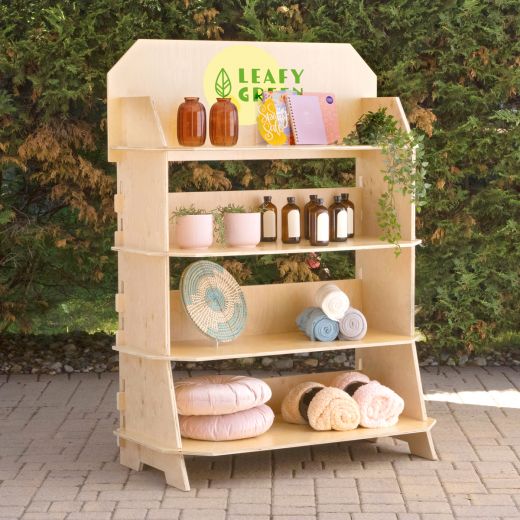
Event planners often overlook the setup and breakdown of displays. The easier this process is, the smoother your event experience will be. Incorporating modular displays that can be packed flat and easily transported from event to event helps simplify this process.
Since these modular displays are also completely reusable, they reduce costs and waste over time, preventing the need for a brand-new setup every trade show or pop-up. As your inventory or featured products inevitably change, these flexible displays can be rearranged to support whatever is yet to come.
The shopPOPdisplays Woodland Park Collection is a great example of this versatility. The portable floor-standing display includes shelves, hooks, and pegs that can be arranged in multiple ways to create different setups. They’re ideal for brands that attend multiple events throughout the year and need a display system that can easily adapt.
Conclusion
Thoughtful display design is more important than ever for catching and holding visitors’ attention in crowded trade shows and pop-up events. The experiential design trends 2026 is highlighting—including height variation, strategic lighting, digital integration, and modular displays—show how simple design choices can dramatically improve the impact of your event setup.
By incorporating these elements, brands can highlight their most important products while creating memorable moments that encourage visitors to stop, explore, and interact.
With versatile solutions like pedestals, acrylic display cases, digital signage, and modular merchandisers from shopPOPdisplays, teams can create flexible, eye-catching displays that leave a lasting impression long after the event ends.