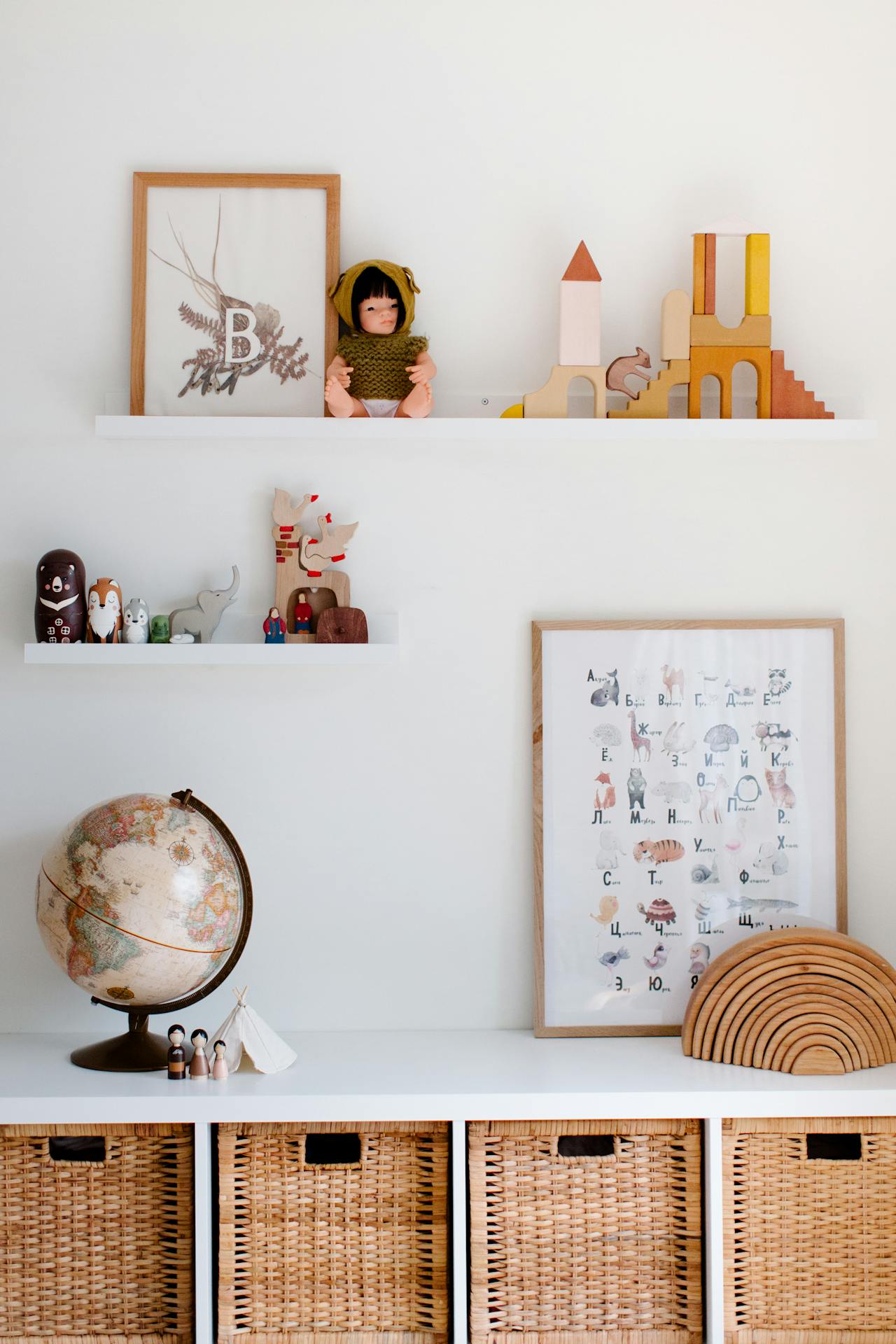
Kids Playroom Organization Ideas with Smart Display Solutions

playroom organization

Kids playroom organization ideas don’t have to be boring, but they have to be functional. When kids have designated spaces for playing and designated storage for toys, it enhances creativity by inviting imaginative play without distraction. In essence, when everything has a place, it frees up physical and mental space so kids can explore and play and learn. But parents don’t have to choose between chaotic kids-themed clutter and a tidy play area anymore. The right display elements can elevate kids’ spaces to match the aesthetics of the rest of the home. Keep reading to learn how.

Key Takeaways

  • Organization fuels creativity. When toys and supplies have designated storage, kids can focus on imaginative play instead of navigating clutter.
  • Smart playroom design supports development. Accessible storage encourages independence, teaches kids to clean up, and builds organization habits.
  • Create intentional play zones. Divide the space into areas for crafts, reading, and imaginative play—even a small corner can become a functional play zone.
  • Use display solutions for easy access. Tiered displays, bookstands, and wall racks keep books, projects, and supplies visible and organized.
  • Showcase kids’ creations. Display cases, gallery walls, and pedestals allow children to proudly show off artwork, LEGO builds, and collectibles.
  • Make organization kid-friendly. Label bins, keep storage at child height, and build cleanup routines into playtime.
  • Design with sensory needs in mind. Clear storage, defined zones, and calming seating areas help create a balanced play environment.
  • Choose flexible storage that grows with your child. Modular furniture and sturdy display pieces adapt from toddler play to hobbies and collections.
  • Balance bright toys with neutral décor. Natural wood tones and simple displays create a calm, cohesive space that fits the rest of the home. Continue reading Kids Playroom Organization Ideas with Smart Display Solutions
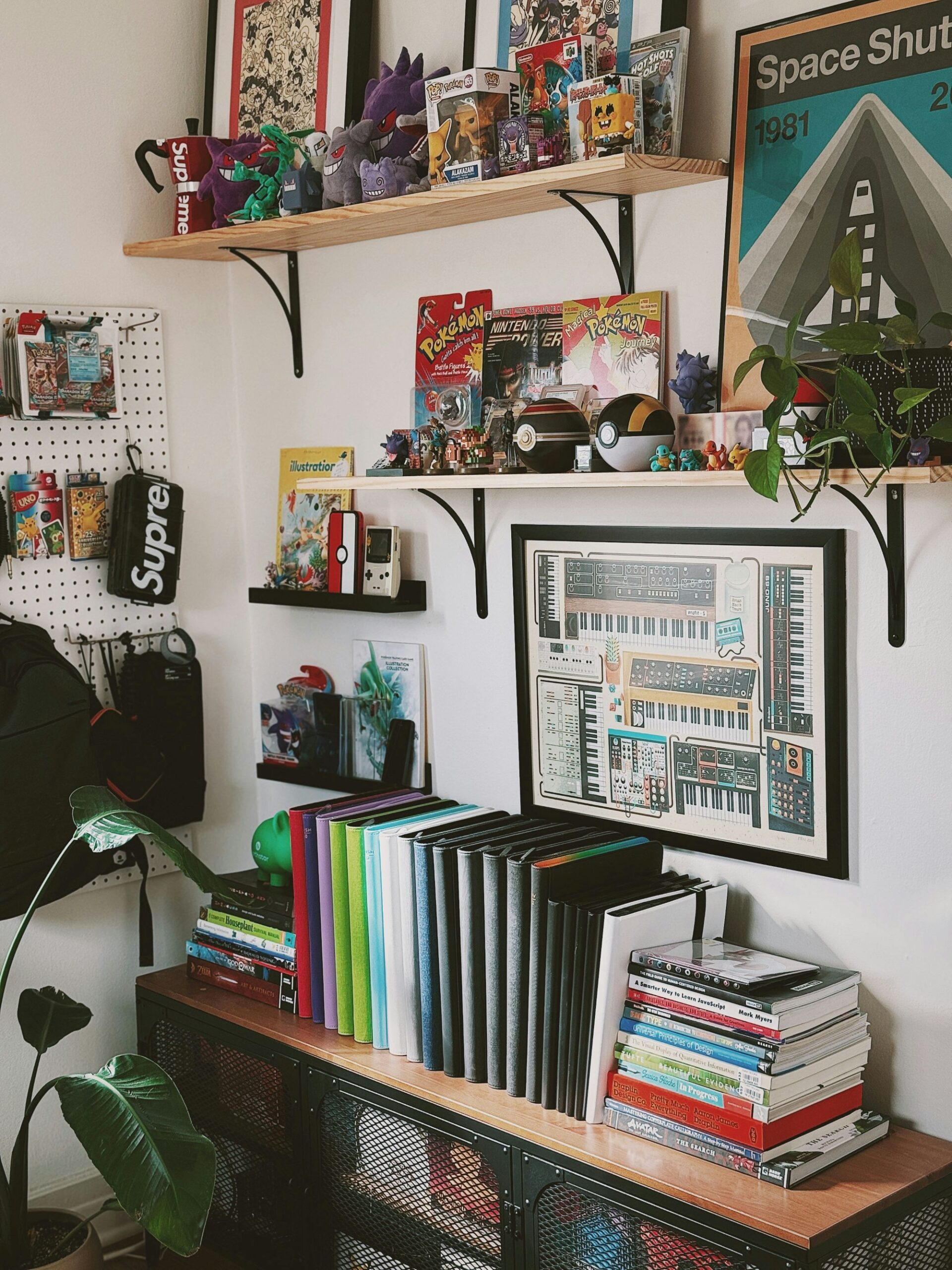
Objects You Love Shouldn’t Live in Drawers: How to Display Your Collectibles


The objects you chose to fill your home with should tell the story of your life and the things you love. Whether it’s a keepsake you picked up while traveling abroad or a memento that reminds you of a special person, each piece carries meaning. However, many find it extremely difficult to display your collectibles with a designing eye.

Over time, what’s out of sight slips out of daily experience, and our spaces begin to feel more practical than personal.

That’s where the hidden happiness problem begins. In trying to protect what we love, we slowly remove it from our everyday lives. The solution isn’t about owning fewer meaningful things. It’s about displaying your collectibles with intention. Read on to learn how to do just that.

Key Takeaways: Display Your Collectibles

  • Meaningful items often disappear from daily life.
    In an effort to reduce clutter or protect valuables, we hide away the very objects that bring us joy.
  • Storage can unintentionally disconnect us from happiness.
    When sentimental items are out of sight, they’re also out of mind — and out of daily emotional impact.
  • Fear drives hiding.
    Concerns about clutter, dust, damage, and visual chaos often push us toward drawers and boxes instead of thoughtful displays.
  • Visibility strengthens emotional connection.
    Seeing meaningful objects regularly reinforces identity, memories, and a sense of comfort.
  • Presentation changes perception.
    Just like in retail, structured and intentional displays increase perceived value and importance.
  • Protection + Structure = Confidence to Display.
    Clear acrylic boxes, cases, and risers allow you to protect items while keeping them beautifully visible.
  • Elevation adds presence without clutter.
    Raising items slightly with risers or tiered stands creates dimension and organization without overwhelming a space.
  • Curate, don’t crowd.
    Group similar items together and leave breathing room so each piece feels intentional and distinct.
  • Rotate instead of storing everything away.
    Seasonal rotation keeps spaces fresh and ensures every meaningful object gets its moment.
  • Small changes make a big emotional impact.
    Entryway consoles, office desks, dressers, and shelves can become purposeful display zones without a full room redesign.
  • The shift is simple but powerful:
    Loved Object + Protective Structure + Intentional Placement = Daily Joy
  • If you love it, let it live out loud.
    Your home should reflect your story — not just current décor trends.

Continue reading Objects You Love Shouldn’t Live in Drawers: How to Display Your Collectibles

Valentine’s Day Retail Displays That Turn Shoppers Into Sweethearts

Valentine's Day Visual Merchandising

After the holiday rush fades, Valentine’s Day retail displays offer the perfect opportunity to re-energize your store and keep sales momentum going. To do this effectively, your visual merchandising should tap into shoppers’ emotions and highlight the meaningful connection between each potential gift and the person receiving it.

From color and texture to signage and layout, every design choice influences how customers feel and how easily they move through your store. When planned intentionally, these elements come together to create Valentine’s Day retail displays that are both eye-catching and easy to shop.

Read on for practical ideas to build retail displays that drive conversions this season and throughout the year.

Key Takeaways

  • Valentine’s Day is a strategic retail reset, not just a holiday moment
    The post-holiday lull presents an ideal opportunity to re-engage shoppers and build urgency around Valentine’s Day gifting with intentional, emotionally driven displays.
  • Emotional storytelling drives stronger engagement and conversions
    Color, texture, layout, and messaging all influence how shoppers feel—and how easily they move from browsing to buying. Displays that feel meaningful encourage longer dwell time and more confident purchases.
  • First impressions matter most at the window and entry point
    Mannequins, pedestals, risers, and clear signage work together to instantly communicate that Valentine’s Day gifting is available, relevant, and easy to shop.
  • Checkout displays are prime real estate for impulse sales
    Countertop displays featuring small, giftable items create low-effort add-on opportunities, especially when organized with trays and tiered risers that feel intentional rather than cluttered.
  • Wall merchandising supports upselling without disrupting store flow
    Slatwall, gridwall, shelving, and display cases help retailers build curated Valentine’s Day sections that highlight complementary products while preserving open walkways.
  • Signage acts as a silent salesperson
    Clear, well-placed sign holders and poster frames reduce decision fatigue by guiding shoppers through gift categories, price points, and recipient-focused selections.
  • Modular fixtures maximize long-term value
    Reusable, flexible display solutions make it easy to transition from Valentine’s Day to future promotions, saving time, reducing waste, and extending the return on investment.
  • Displays that are easy to shop are more likely to convert
    When product placement, signage, and layout work together seamlessly, shoppers feel supported—leading to smoother purchasing decisions and higher basket sizes. Continue reading Valentine’s Day Retail Displays That Turn Shoppers Into Sweethearts

5 Reasons Your In-Store Retail Displays Aren’t Working—and What to do Instead


Fashionable jacket displayed in a store window.

How store owners choose to display products can have a great deal of influence on what sells and what doesn’t, but not all retail displays perform well. Getting it right is a bit of trial and error as customer habits and preferences are sussed out. There are, however, some tried-and-true ways to fix common mistakes that dampen sales potential.

Key Takeaways

  • Placement matters. Position displays where shoppers naturally look and walk—typically to the right and along a counter-clockwise path—to maximize visibility and engagement.
  • Create urgency. Limited-time offers and bold signage drive quicker decision-making and help shoppers notice deals they might otherwise overlook.
  • Keep displays tidy. Clutter and mess instantly turn customers off. Regular straightening and the use of bins, trays, and organizers keep your displays clean and intentional.
  • Offer variety. Mixing price points and complementary products encourages both upselling and impulse purchases, appealing to a wider range of customers.
  • Refresh frequently. Even strong displays lose impact over time. Rotate products, update layouts, and embrace seasonal changes to keep shoppers interested.
  • Use the right tools. High-quality signage, risers, containers, and custom displays—like those available from shopPOPdisplays—help maintain polished, effective, sales-driving presentations. Continue reading 5 Reasons Your In-Store Retail Displays Aren’t Working—and What to do Instead