Holiday Visual Merchandising Starts in Summer: Why Early Planning Pays Off


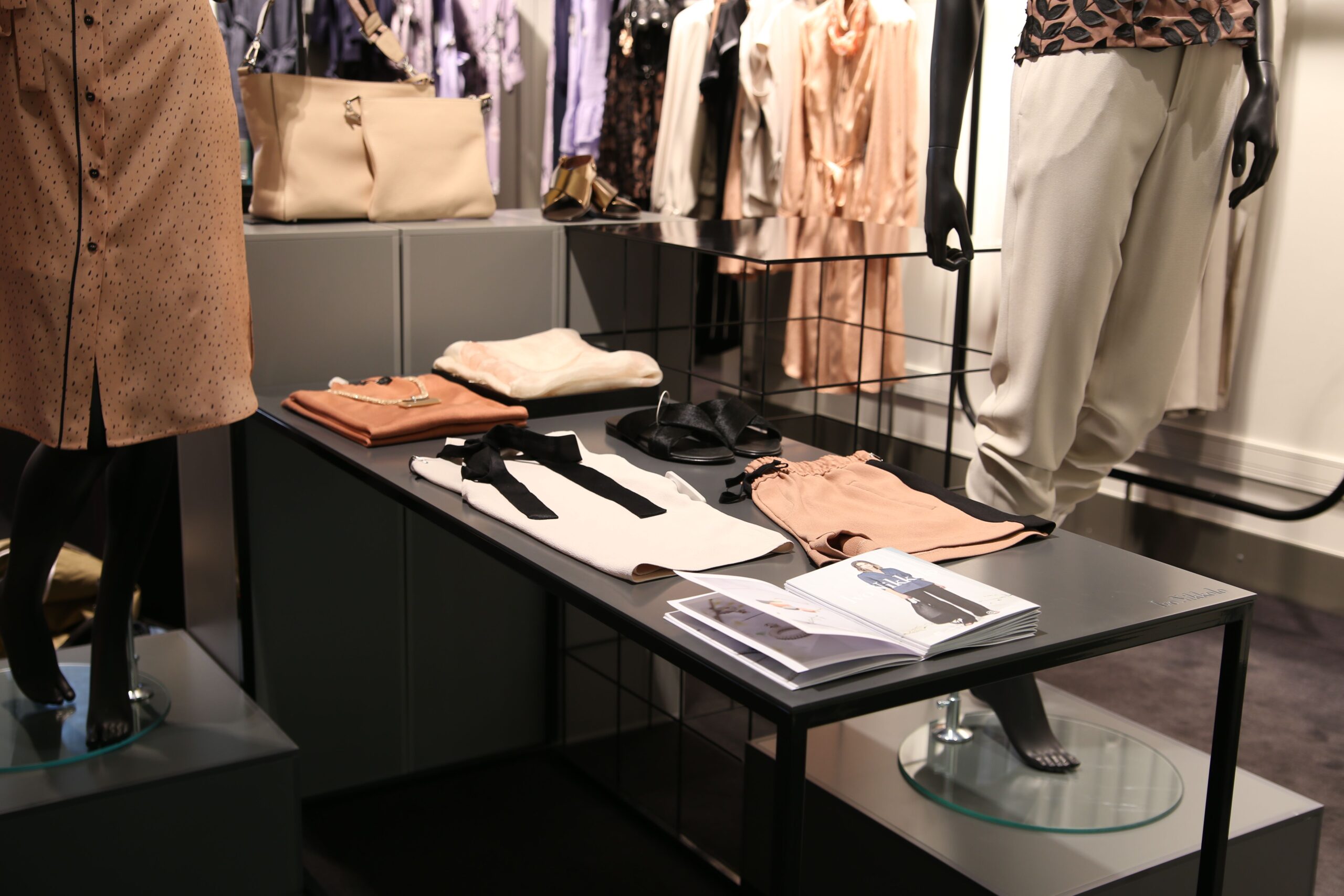
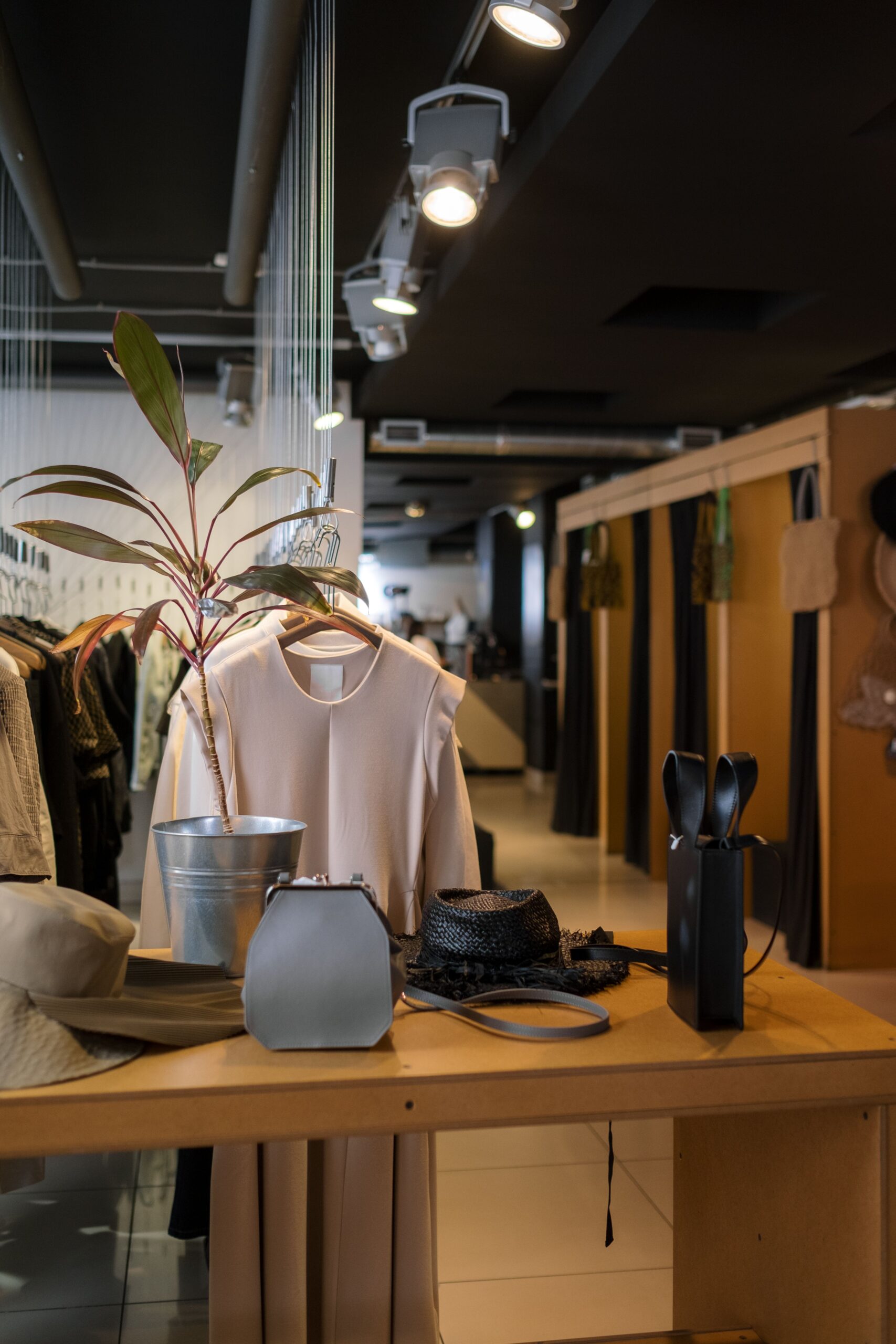
Planning ahead is always a good idea, especially when it comes to the holidays. The businesses that see the greatest success during one of the busiest shopping seasons of the year have often been preparing for months before the festivities begin. Starting your holiday visual merchandising strategy in the summer gives you time to source fixtures, develop custom displays, and create a shopping experience that captures customers’ attention. It also allows you to test merchandising concepts and make adjustments well before the holiday rush begins.

Let’s explore why early planning pays off and how you can start preparing your business for the holiday season today.

Key Takeaways: Holiday Visual Merchandising 


  • Start planning your holiday visual merchandising strategy months in advance to avoid production delays and last-minute compromises.
  • Account for custom fabrication, printing lead times, and display testing before peak shopping season begins.
  • Choose versatile display fixtures that can be repurposed for future promotions and seasonal campaigns.
  • Create a month-by-month merchandising timeline to keep holiday planning on track.

Continue reading Holiday Visual Merchandising Starts in Summer: Why Early Planning Pays Off

Common Product Photography Mistakes and How to Avoid Them

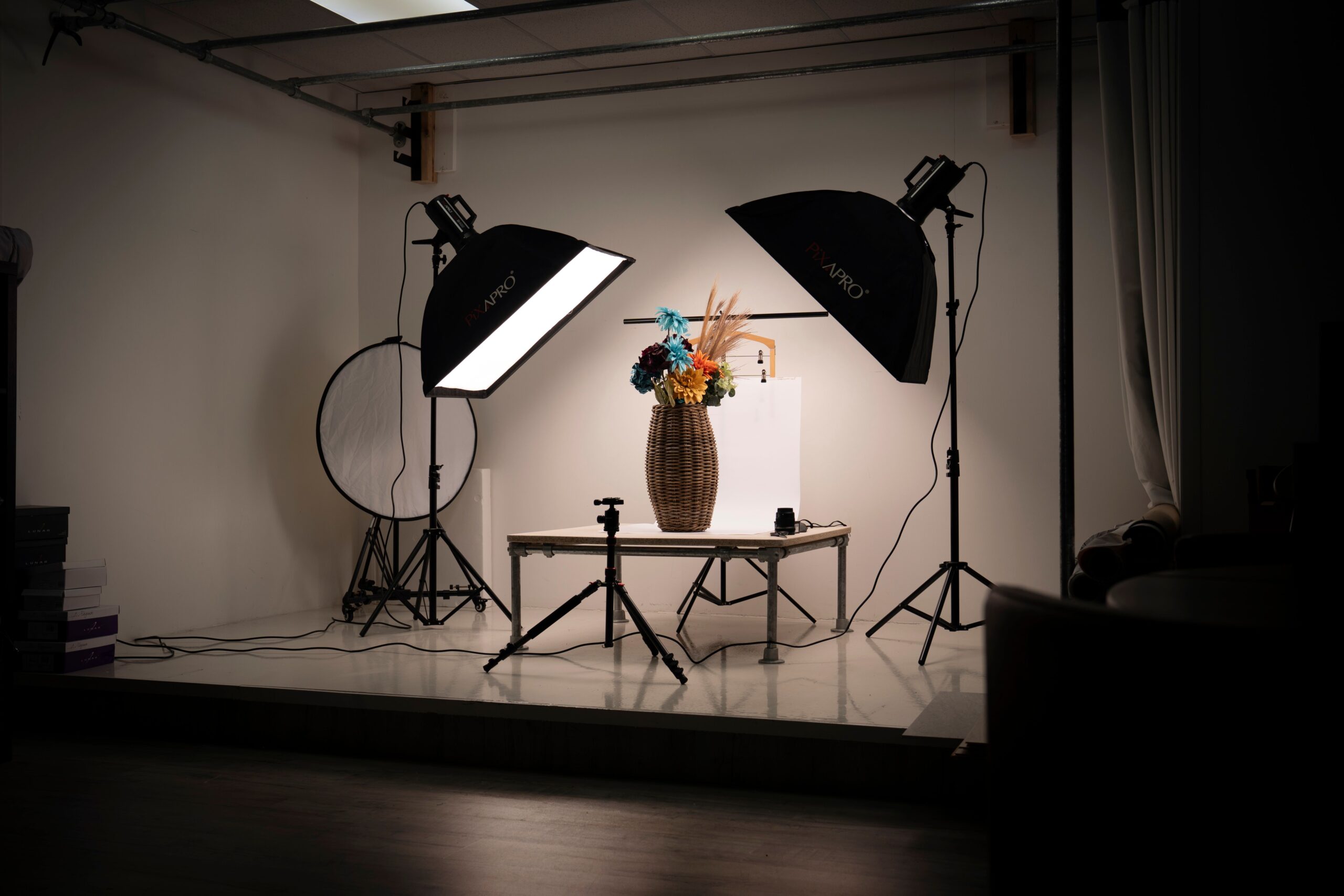
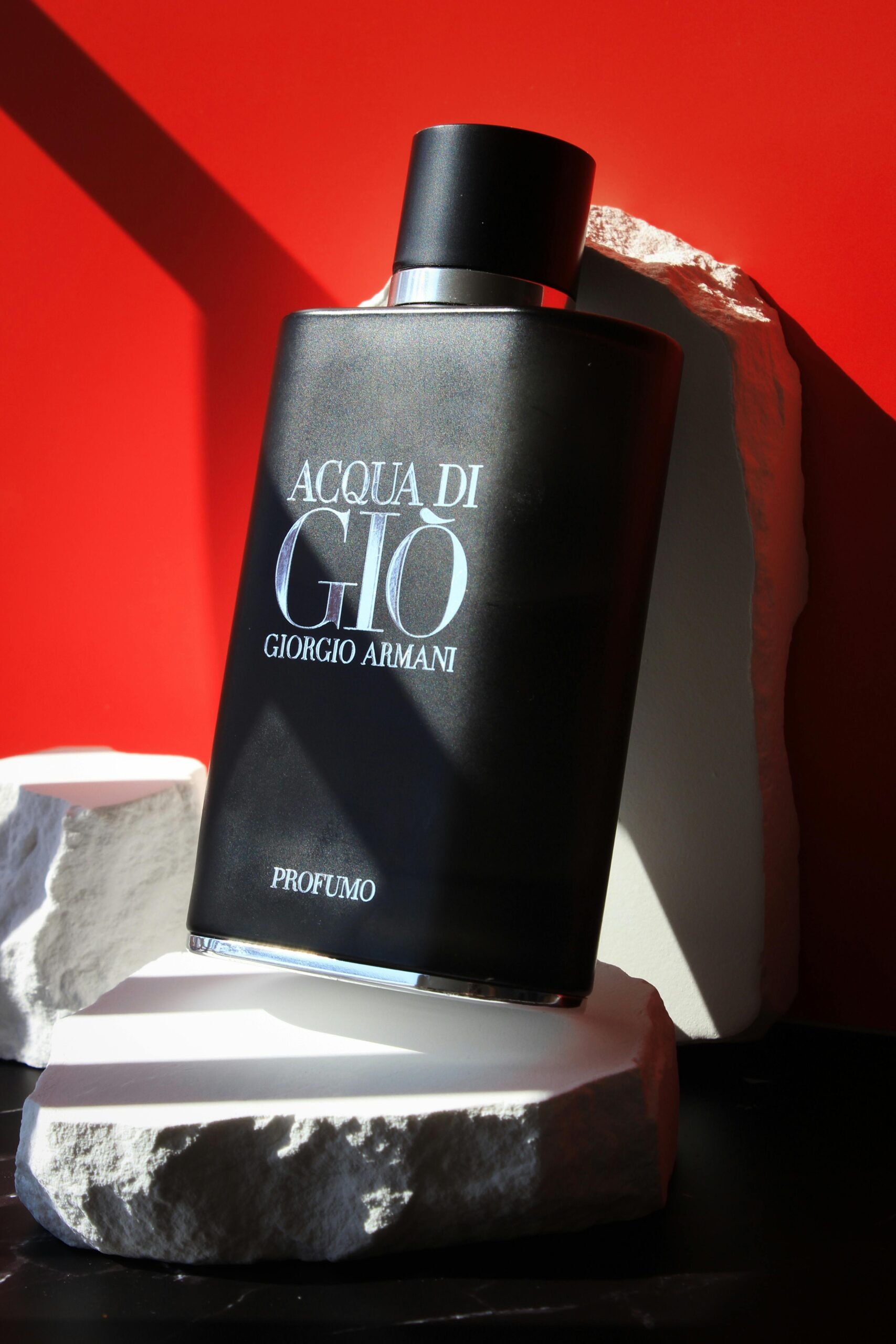
Your products are priced competitively, so why are your ecommerce sales flat? It may be your photos. Product photography plays a critical role in ecommerce and marketing. That’s because online customers can’t touch or feel an item, judge its size, or even hear how it sounds. They rely solely on visuals to decide if they want to purchase an item or not. That’s the power of product photography in boosting sales. Even the smallest of product photography mistakes can impact customer perception and hurt sales. For example, an image that doesn’t show a product’s size can confuse a customer and deter a sale. Beyond showing scale, include poor lighting, busy backgrounds, awkward composition, inconsistency among images, are just some of the common mistakes in which a simple photograph can backfire. The good news? There are just as many ways to address these slip-ups. Here, we’ll discuss some common product photography mistakes and their practical solutions, including lighting strategies, framing, product shot guidelines, and the use of photography displays.

Key Takeaways: Product Photography Mistakes

  • High-quality product photography builds trust, improves customer confidence, and can directly increase ecommerce sales.
  • Proper lighting, clean backgrounds, and thoughtful composition help products stand out and look more professional.
  • Display tools like acrylic risers, pedestals, mirrored cubes, and display stands add height, dimension, and visual interest to product photos.
  • Consistent photography styles across your website strengthen your brand identity and create a more polished shopping experience.
  • Capturing multiple angles and close-up details helps customers better understand your products and reduces purchase hesitation.
  • Minimizing distractions like cluttered backgrounds, excessive props, reflections, and harsh shadows keeps the focus on your merchandise.
  • Choosing display solutions that complement your brand aesthetic creates more engaging product photography while showcasing products at their best.
  • Investing in the right photography setup and display accessories helps prevent common mistakes and creates images that drive more conversions.

Continue reading Common Product Photography Mistakes and How to Avoid Them

How to Stage Products for Professional Photography


Whether you’re photographing products for an ecommerce store, social media campaign, catalog, or advertisement, the way you stage your products can make a significant impact on the final image. Professional product photography isn’t just about the camera—it’s about creating an environment that helps products stand out, tells a story, and guides the viewer’s eye.

From clean acrylic risers to modern display pedestals, the right photography props from shopPOPdisplays can instantly elevate your images and create a polished, professional look.

Key Takeaways

  • Start with a clear objective before staging products. Determine whether the image is for ecommerce, social media, advertising, or lifestyle marketing.
  • Use display pedestals to add height and visual hierarchy, helping featured products stand out while creating depth and dimension.
  • Incorporate acrylic risers for a clean, modern look that elevates products without distracting from them.
  • Enhance images with acrylic mirrors to create reflections, increase perceived depth, and add a luxury aesthetic.
  • Build layered compositions using acrylic blocks and risers to create structure, highlight key products, and keep images visually engaging.
  • Keep backgrounds simple and uncluttered so the focus remains on the product rather than the surrounding elements.
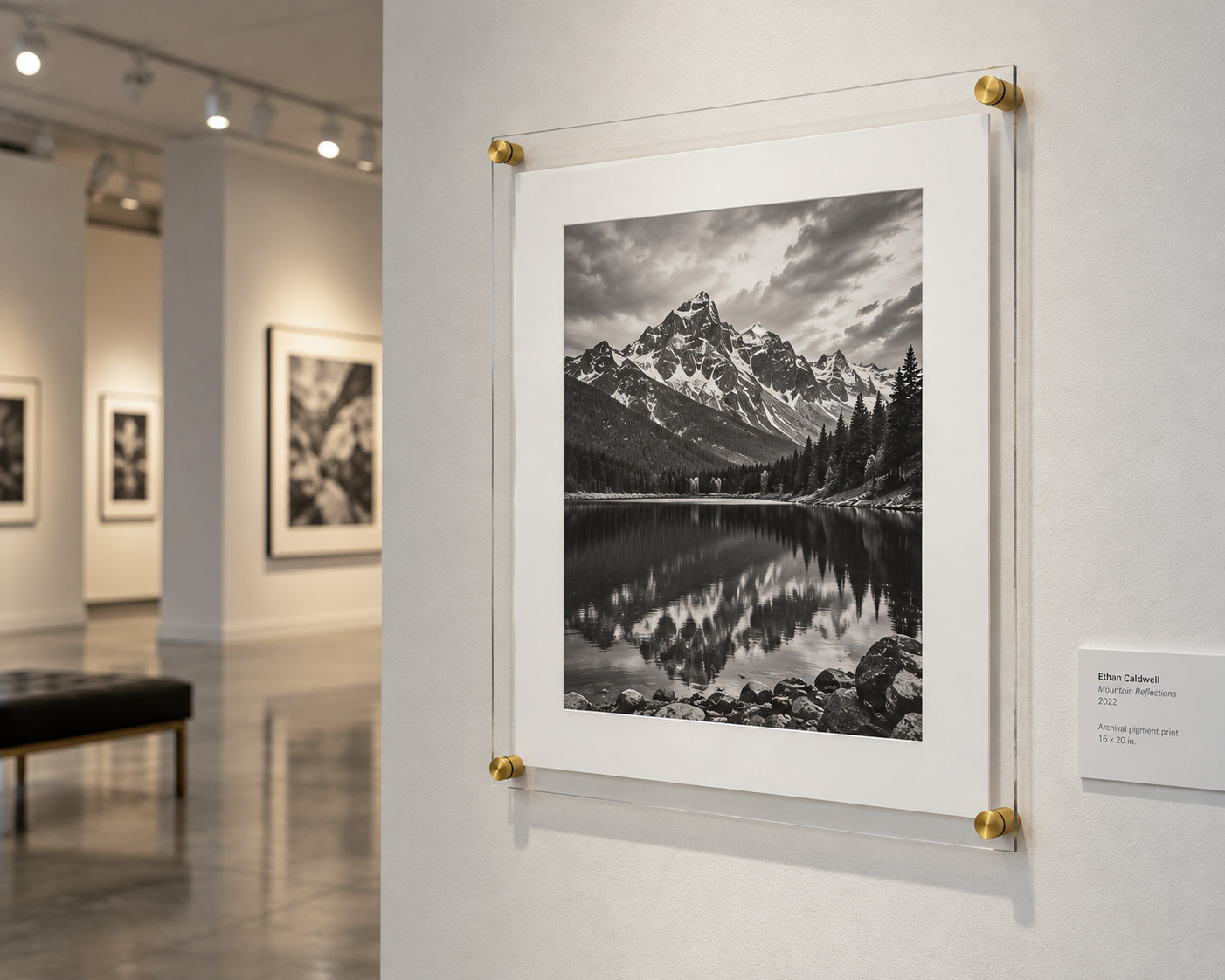
  • Leverage acrylic sheets as versatile photography surfaces and backdrops for clean, professional-looking setups.
  • Use lighting strategically to emphasize textures, shapes, transparency, and product details.
  • Create lifestyle-inspired scenes thoughtfully, using complementary props that support the story without overwhelming the product.
  • Experiment with multiple camera angles to discover the most compelling perspective and maximize the impact of display elements.
  • Combine different display props such as pedestals, risers, mirrors, and acrylic blocks to create professional, editorial-style product photography.
  • Professional product photography depends on thoughtful staging, and the right display solutions can transform ordinary product images into polished, high-converting visual assets.
  • shopPOPdisplays offers photography-friendly display solutions including pedestals, acrylic risers, mirrored displays, acrylic sheets, and display accessories designed to elevate product presentation.

Continue reading How to Stage Products for Professional Photography

World Cup Display Ideas: Showcasing Memorabilia with Impact

gold-colored trophy and soccerball

It may surprise some Americans to learn that soccer, or football to most of the world, is by far the most popular sport globally, with an estimated 3.5 to 4 billion fans. So, the hype around the FIFA World Cup display ideas is massive, to say the least. It’s widely considered the most-watched sporting event in history, and every four years when it comes back around, global excitement follows.

This year, with the tournament being held in the US for only the second time ever, the buzz around the sport is even bigger here at home. Along with that excitement comes increased interest in soccer memorabilia, collectibles, and themed retail displays. This creates a major opportunity for brands and retailers to seize the moment with creative World Cup display ideas that tap into the energy surrounding the games.

Key Takeaways

  • The 2026 FIFA World Cup creates major opportunities for retailers to capitalize on soccer fandom and memorabilia sales.
  • Full-size and mini soccer ball display cases help protect collectibles while creating more professional, eye-catching displays.
  • Strategic merchandising, themed groupings, and varied display heights help increase engagement and impulse purchases.
  • Acrylic display cases preserve memorabilia from dust and damage while enhancing visibility and perceived value.
  • Thoughtful World Cup display ideas create a stronger shopping experience and help products stand out during the tournament season.

Continue reading World Cup Display Ideas: Showcasing Memorabilia with Impact

May the 4th Retail Displays: Showcase Star Wars™ Collectibles with Impact

Every year when May 4th rolls around, Star Wars™ fans across the globe celebrate the legendary saga that left its mark on generations, all in honor of its most iconic phrase: “May the Force be with you.”

Undoubtedly one of the most passionate fan bases in the world, Star Wars™ fans collect figurines, LEGO®  sets, posters, and other memorabilia that celebrate beloved characters, tell stories of struggle and triumph, and carry strong nostalgic and emotional meaning.

For retailers, this day offers a chance to create an immersive shopping experience that draws customers in and keeps them engaged. With the right approach and tools from shopPOPdisplays, your May the 4th retail displays can transform your store into a galaxy far, far away, where Star Wars™ lovers feel seen and understood.

Key Takeaways for May the 4th Retail Displays 

  • May the 4th retail displays create a built-in opportunity to engage Star Wars fans and boost themed sales
  • Strong visual merchandising helps turn collectibles into an in-store experience
  • Pedestals and risers add height and focus, making key items stand out
  • Display cases for LEGO and acrylic boxes protect collectibles while enhancing their perceived value
  • Themed backdrops and signage help create a cohesive, immersive environment
  • Grouping products by ships, characters, or scene-inspired setups makes displays easier to shop
  • Lighting and a clean layout go a long way in making displays feel premium and intentional
  • Even small updates can make your store feel more engaging, and a little more powerful, like the Force is at work

Continue reading May the 4th Retail Displays: Showcase Star Wars™ Collectibles with Impact

Retail Display Design for Interior Designers: Influencing Behavior

Retail Space

Brick-and-mortar retail stores no longer function as just a physical space for consumers to shop. They now offer experiences that help build brand loyalty, develop community, and allow customers to linger and interact with products while they shop. Interior designers play a critical role in shaping customer journeys through these immersive experiences. Their efforts influence customer behavior—usually through brand identity, strategic space planning, and sensory cues that create an emotional connection—but also through display fixtures. Intentional use of display fixtures directly impacts buying behavior, dwell time, and perceived value of merchandise. Here, we’ll show you how display fixtures influence customer behavior and sales, and how shopPOPdisplays can be a valuable partner in achieving these outcomes to make retail display design for interior designers a success.

Key Takeaways for Retail Display Design for Interior Designers


  • Strategic retail display design can increase customer engagement and sales
  • Fixtures influence how customers move, interact, and perceive products
  • Customization allows designers to align displays with brand identity
  • The right materials and layouts enhance both aesthetics and durability
  • Thoughtful fixture selection elevates the overall retail experience

Continue reading Retail Display Design for Interior Designers: Influencing Behavior

Elevating Amenity Spaces with Functional Display Design

amenity spaces

Modern amenity space design ideas are no longer afterthoughts, they are central to how people experience apartments, hotels, and shared environments. From coworking lounges to rooftop terraces, these spaces are expected to feel like seamless extensions of home while delivering elevated, hospitality-inspired experiences. That make people feel instantly comfortable and keep them wanting to return.

The major difference between a space that looks good and one that truly oust competitors often comes down to functional display design. Thoughtfully integrated displays don’t just enhance aesthetics—they guide flow, create focal points, and encourage engagement.

Below, we explore powerful amenity space design ideas that blend style with purpose, while highlighting how the right display solutions can transform any shared space.

Key Takeaways

  • Amenity spaces drive experience – Thoughtful amenity space design ideas can transform shared areas into high-value, memorable environments.
  • Function comes first – The best designs start with how the space will be used, then layer in display elements to enhance usability and flow.
  • Display creates structure – Pedestals, acrylic cases, and signage help define zones, guide movement, and establish clear focal points.
  • Hospitality-inspired design wins – Applying hotel amenity styling principles elevates apartment and shared spaces with a more curated, premium feel.
  • Flexibility is essential – Modular and movable display solutions allow spaces to adapt throughout the day for multiple uses.
  • Visual impact matters – Lighting, mirrored finishes, and layered displays add depth and create standout, shareable moments.
  • Branding and communication matter – Custom signage and display elements reinforce identity and keep residents or guests informed.
  • Community engagement increases value – Rotating displays, event setups, and interactive elements encourage connection and repeat use.
  • The right displays do more than decorate – They improve functionality, enhance aesthetics, and elevate the overall user experience.

Continue reading Elevating Amenity Spaces with Functional Display Design

Objects You Love Shouldn’t Live in Drawers: How to Display Your Collectibles


The objects you chose to fill your home with should tell the story of your life and the things you love. Whether it’s a keepsake you picked up while traveling abroad or a memento that reminds you of a special person, each piece carries meaning. However, many find it extremely difficult to display your collectibles with a designing eye.

Over time, what’s out of sight slips out of daily experience, and our spaces begin to feel more practical than personal.

That’s where the hidden happiness problem begins. In trying to protect what we love, we slowly remove it from our everyday lives. The solution isn’t about owning fewer meaningful things. It’s about displaying your collectibles with intention. Read on to learn how to do just that.

Key Takeaways: Display Your Collectibles

  • Meaningful items often disappear from daily life.
    In an effort to reduce clutter or protect valuables, we hide away the very objects that bring us joy.
  • Storage can unintentionally disconnect us from happiness.
    When sentimental items are out of sight, they’re also out of mind — and out of daily emotional impact.
  • Fear drives hiding.
    Concerns about clutter, dust, damage, and visual chaos often push us toward drawers and boxes instead of thoughtful displays.
  • Visibility strengthens emotional connection.
    Seeing meaningful objects regularly reinforces identity, memories, and a sense of comfort.
  • Presentation changes perception.
    Just like in retail, structured and intentional displays increase perceived value and importance.
  • Protection + Structure = Confidence to Display.
    Clear acrylic boxes, cases, and risers allow you to protect items while keeping them beautifully visible.
  • Elevation adds presence without clutter.
    Raising items slightly with risers or tiered stands creates dimension and organization without overwhelming a space.
  • Curate, don’t crowd.
    Group similar items together and leave breathing room so each piece feels intentional and distinct.
  • Rotate instead of storing everything away.
    Seasonal rotation keeps spaces fresh and ensures every meaningful object gets its moment.
  • Small changes make a big emotional impact.
    Entryway consoles, office desks, dressers, and shelves can become purposeful display zones without a full room redesign.
  • The shift is simple but powerful:
    Loved Object + Protective Structure + Intentional Placement = Daily Joy
  • If you love it, let it live out loud.
    Your home should reflect your story — not just current décor trends.

Continue reading Objects You Love Shouldn’t Live in Drawers: How to Display Your Collectibles

Small Room Display Ideas You Didn’t Know You Needed

small spaces

From apartments to starter homes to tiny homes and backyard granny pods, living in small spaces has always been on trend. The big disadvantage to these spaces? Well, lack of space for storage and to create a curated aesthetic. The secret to small room design ideas when you still have stuff you want visible: structure. In interior design, structure helps define the room by merging aesthetics and function for a unified look. Interior designers employ hierarchy to create visual structure that leads a person’s eyes and establishes a sense of order. Hierarchy is achieved by varying the sizes, colors, and textures of the furniture and décor in a room. Designers also use interior elevations to understand the spatial configurations of a space to optimize its use of space for home décor. But their best strategy—and one that’s easy for non-designers to try—may be curation. Thoughtful, intentional arrangement of décor and design elements that create a living space that is cohesive and personal.

To make it work, having a place for everything and everything in its place becomes a mantra. Clutter has less places to hide in a smaller footprint, so it’s essential to find homes for belongings so it feels intentional.

Here are five small room display ideas that will provide structure and help create curated spaces.

Key Takeaways for Small Room Display Ideas

  • Structure makes small spaces feel intentional. Use hierarchy (varying size, height, texture, and color) to create order and reduce visual clutter.
  • Think vertically to expand the room visually. Tall displays and upward styling draw the eye higher, making ceilings feel taller and spaces feel larger.
  • Group décor with purpose. Stick to tight, odd-numbered groupings or choose one strong statement piece instead of scattering small items.
  • Vary heights for a polished look. Mix low, medium, and tall elements — tiered risers help add dimension without crowding surfaces.
  • Use wall-mounted displays to free up space. Lift décor off horizontal surfaces and treat wall displays like curated artwork.
  • Style defined zones, not the entire room. Focus on one to two display areas and leave intentional negative space elsewhere.
  • Edit ruthlessly. In small spaces, less truly is more — curated always feels bigger than cluttered.

Continue reading Small Room Display Ideas You Didn’t Know You Needed

Home Styling 101: How to Display Collectibles Without Clutter

Clean home displays

Collecting is an artform, but displaying your favorite treasures can come with its own set of challenges. Too many items on every surface can make your home feel cramped and stressful, while too few can hide your passion and lack personality. You may be wondering how do I strike the perfect balance? The answer is simple, museum-style display at home. Here’s how to display collectibles without clutter in sleek fashion.

Key Takeaways

  • Less is more. Give each collectible space to breathe to avoid visual clutter.
  • Display with intention. Curate like a museum by highlighting standout pieces instead of showing everything at once.
  • Use protective cases. Clear acrylic boxes and dust-protective cases keep collectibles safe while maintaining visibility.
  • Choose elevated storage. Glass display cabinets instantly create a polished, organized look.
  • Create visual hierarchy. Vary heights with pedestals and risers to add dimension without overcrowding.
  • Group thoughtfully. Organize by theme, size, or color for a cohesive, curated aesthetic.
  • Rotate your collection. Swapping pieces seasonally keeps your home feeling fresh and intentional.

Continue reading Home Styling 101: How to Display Collectibles Without Clutter