Top Experiential Design Trends Shaping Events in 2026


Creating a positive and memorable experience has always been critical to the success of an event, and that is especially true now, as attention is constantly shifting to the next best thing. With this in mind, many brands are relying on a few specific design trends to create environments that stand out amongst the competition. They know that in order for customers to remember your brand and products beyond the event, you need a strategy that ensures visitors encounter and interact with your displays in the most accessible and engaging ways.

Thoughtful layouts that incorporate multi-level setups, digital displays, and interactive elements can help create an experience visitors want to explore. Read on for our suggestions on how to make the most of the experiential design trends 2026 has in store using shopPOPdisplays’ products.

Key Takeaways

  • Experiential display design is critical for 2026 events – Trade shows and pop-ups require engaging setups that encourage visitors to stop, explore, and interact.
  • Use height and dimension to create visual interest – Multi-level displays (risers, pedestals, acrylic blocks) make displays more dynamic and help guide the viewer’s eye.
  • Organized product placement improves clarity – Giving each product its own space makes displays feel intentional and helps visitors quickly understand the offering.
  • Lighting enhances visibility and atmosphere – LED-lit pedestals and illuminated fixtures can spotlight key products and draw attention from across the room.
  • Digital elements increase engagement – Interactive touchscreens and digital signage allow brands to share demos, tutorials, social feeds, and brand stories.
  • Focus on hero products instead of showcasing everything – Highlighting one or a few standout items creates stronger brand messaging and quicker visitor understanding.
  • Minimal, intentional displays elevate products – Using clear cases, sleek pedestals, and uncluttered staging makes products feel premium and gallery-like.
  • Create photo-ready display moments – Well-designed product setups encourage visitors to take photos and share them online, extending brand reach.
  • Modular displays simplify setup and logistics – Portable systems that pack flat make it easier to transport, assemble, and reuse displays across events.
  • Reusable builds reduce costs and waste – Flexible, modular displays can be rearranged for different products and events, improving long-term efficiency.
  • Adaptable display systems support evolving product lines – Modular shelving, hooks, and pegs allow brands to quickly change layouts as inventory or messaging changes.
  • Thoughtful design choices create memorable brand experiences – Combining height, lighting, digital content, and modular design results in more impactful event displays.

Continue reading Top Experiential Design Trends Shaping Events in 2026

Kids Playroom Organization Ideas with Smart Display Solutions

playroom organization

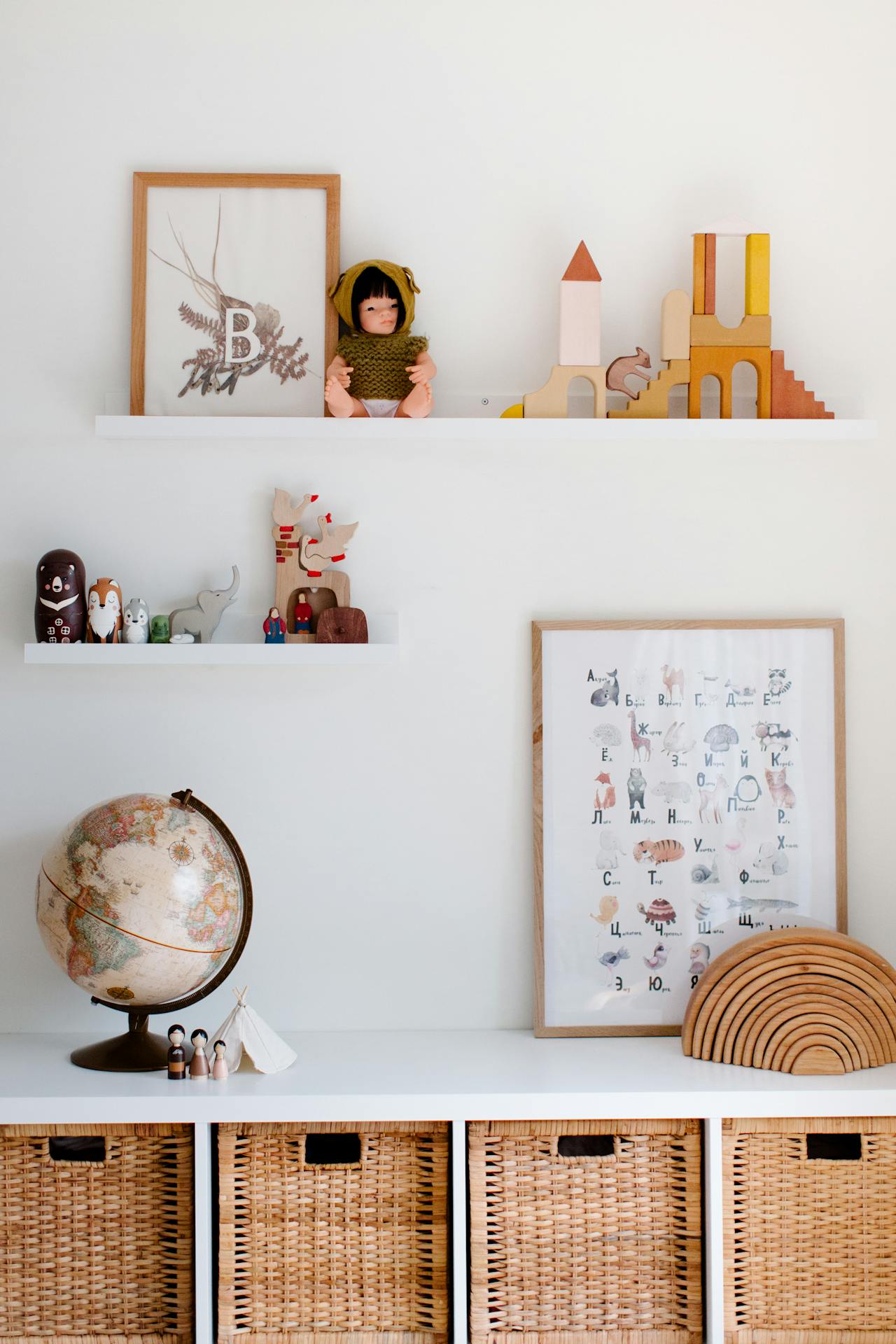
Kids playroom organization ideas don’t have to be boring, but they have to be functional. When kids have designated spaces for playing and designated storage for toys, it enhances creativity by inviting imaginative play without distraction. In essence, when everything has a place, it frees up physical and mental space so kids can explore and play and learn. But parents don’t have to choose between chaotic kids-themed clutter and a tidy play area anymore. The right display elements can elevate kids’ spaces to match the aesthetics of the rest of the home. Keep reading to learn how.

Key Takeaways

  • Organization fuels creativity. When toys and supplies have designated storage, kids can focus on imaginative play instead of navigating clutter.
  • Smart playroom design supports development. Accessible storage encourages independence, teaches kids to clean up, and builds organization habits.
  • Create intentional play zones. Divide the space into areas for crafts, reading, and imaginative play—even a small corner can become a functional play zone.
  • Use display solutions for easy access. Tiered displays, bookstands, and wall racks keep books, projects, and supplies visible and organized.
  • Showcase kids’ creations. Display cases, gallery walls, and pedestals allow children to proudly show off artwork, LEGO builds, and collectibles.
  • Make organization kid-friendly. Label bins, keep storage at child height, and build cleanup routines into playtime.
  • Design with sensory needs in mind. Clear storage, defined zones, and calming seating areas help create a balanced play environment.
  • Choose flexible storage that grows with your child. Modular furniture and sturdy display pieces adapt from toddler play to hobbies and collections.
  • Balance bright toys with neutral décor. Natural wood tones and simple displays create a calm, cohesive space that fits the rest of the home. Continue reading Kids Playroom Organization Ideas with Smart Display Solutions

Objects You Love Shouldn’t Live in Drawers: How to Display Your Collectibles


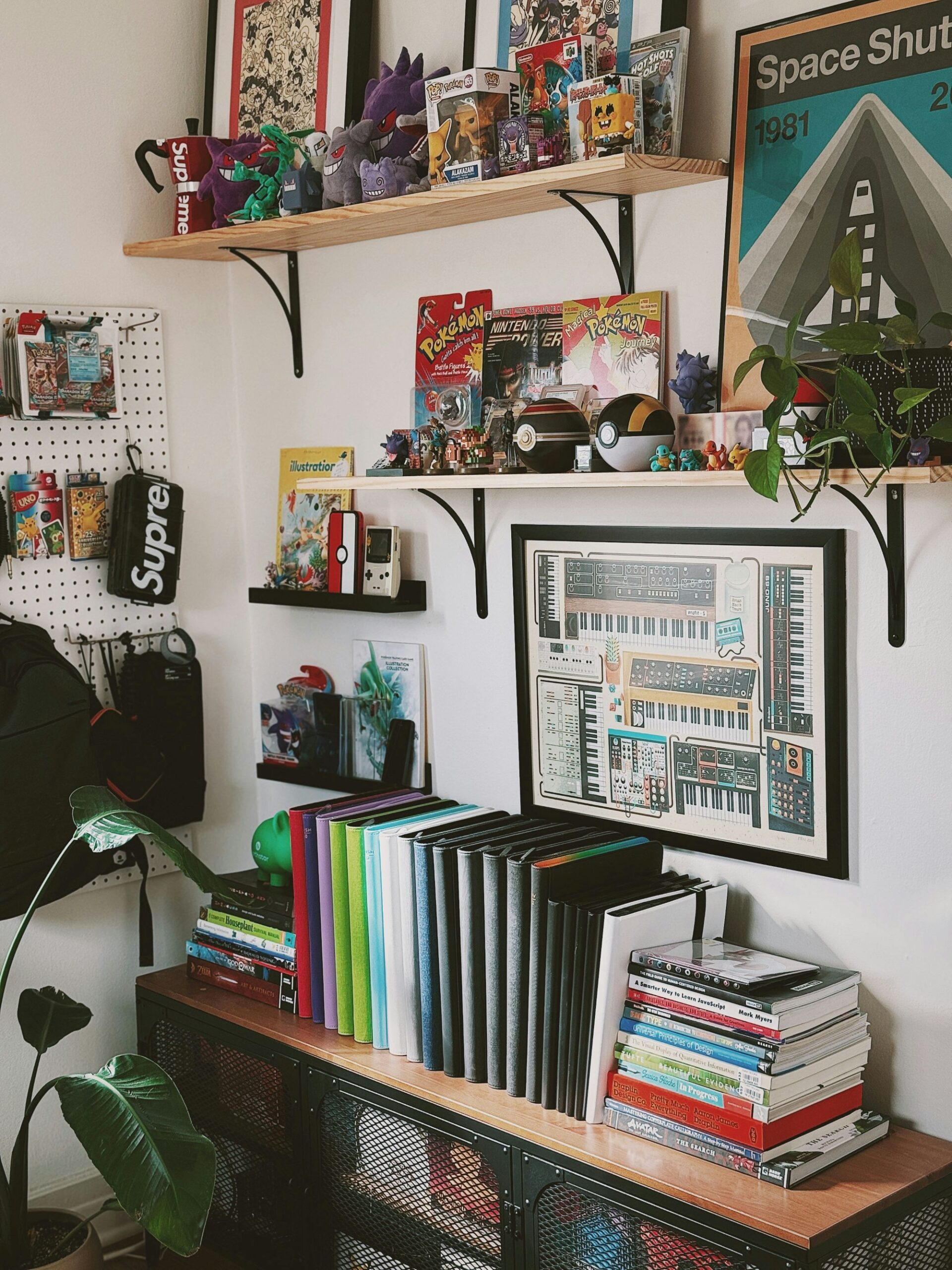
The objects you chose to fill your home with should tell the story of your life and the things you love. Whether it’s a keepsake you picked up while traveling abroad or a memento that reminds you of a special person, each piece carries meaning. However, many find it extremely difficult to display your collectibles with a designing eye.

Over time, what’s out of sight slips out of daily experience, and our spaces begin to feel more practical than personal.

That’s where the hidden happiness problem begins. In trying to protect what we love, we slowly remove it from our everyday lives. The solution isn’t about owning fewer meaningful things. It’s about displaying your collectibles with intention. Read on to learn how to do just that.

Key Takeaways: Display Your Collectibles

  • Meaningful items often disappear from daily life.
    In an effort to reduce clutter or protect valuables, we hide away the very objects that bring us joy.
  • Storage can unintentionally disconnect us from happiness.
    When sentimental items are out of sight, they’re also out of mind — and out of daily emotional impact.
  • Fear drives hiding.
    Concerns about clutter, dust, damage, and visual chaos often push us toward drawers and boxes instead of thoughtful displays.
  • Visibility strengthens emotional connection.
    Seeing meaningful objects regularly reinforces identity, memories, and a sense of comfort.
  • Presentation changes perception.
    Just like in retail, structured and intentional displays increase perceived value and importance.
  • Protection + Structure = Confidence to Display.
    Clear acrylic boxes, cases, and risers allow you to protect items while keeping them beautifully visible.
  • Elevation adds presence without clutter.
    Raising items slightly with risers or tiered stands creates dimension and organization without overwhelming a space.
  • Curate, don’t crowd.
    Group similar items together and leave breathing room so each piece feels intentional and distinct.
  • Rotate instead of storing everything away.
    Seasonal rotation keeps spaces fresh and ensures every meaningful object gets its moment.
  • Small changes make a big emotional impact.
    Entryway consoles, office desks, dressers, and shelves can become purposeful display zones without a full room redesign.
  • The shift is simple but powerful:
    Loved Object + Protective Structure + Intentional Placement = Daily Joy
  • If you love it, let it live out loud.
    Your home should reflect your story — not just current décor trends.

Continue reading Objects You Love Shouldn’t Live in Drawers: How to Display Your Collectibles